Information
- Home
- dogs
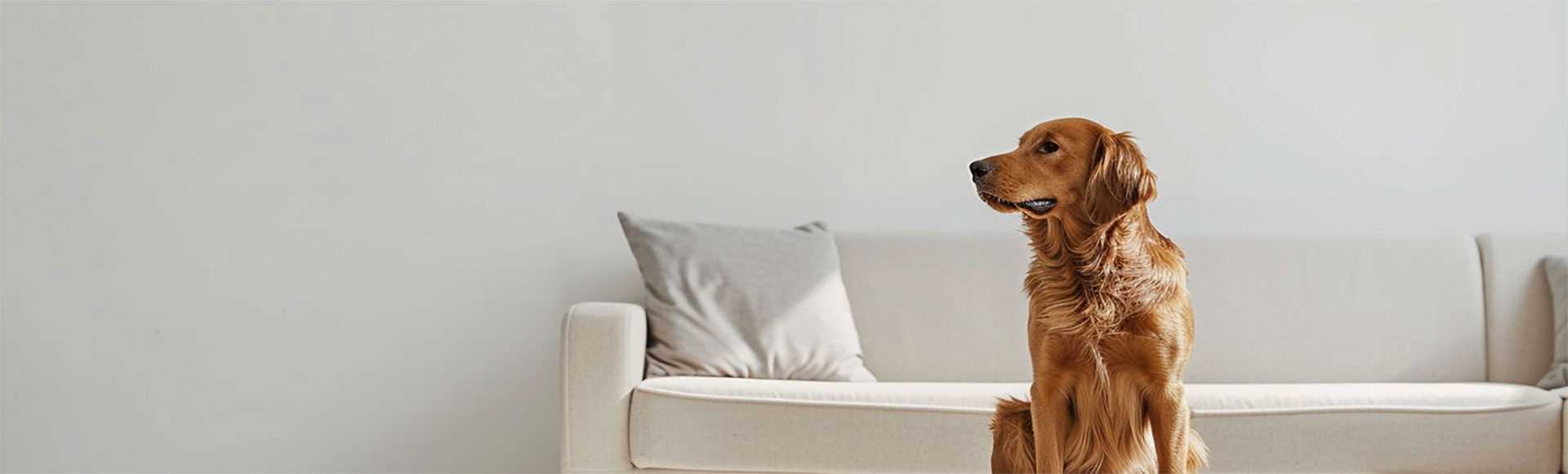
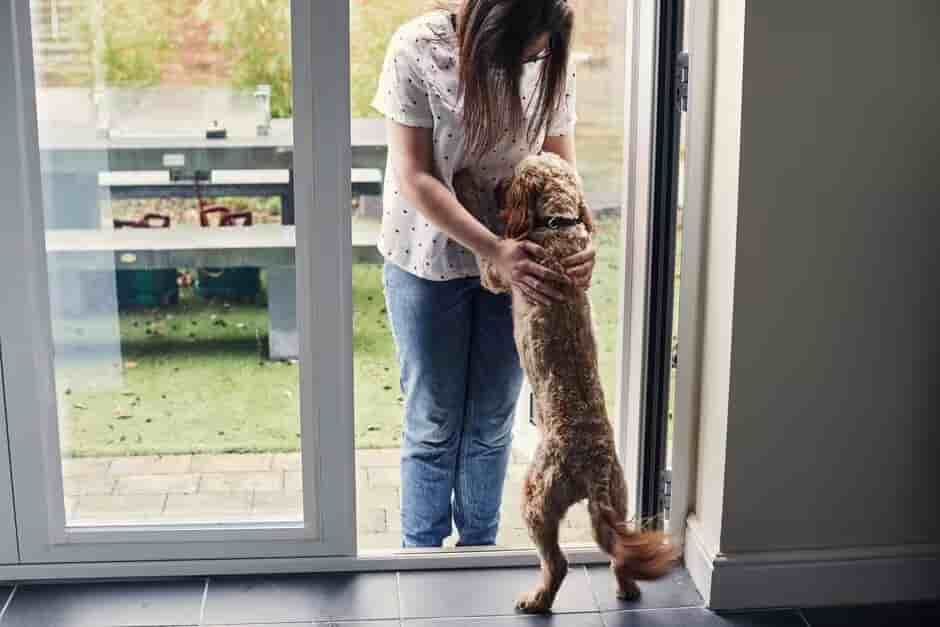
When it comes to showing affection,hugging is practically instinctive for us humans.But for our four-legged companions,that same gesture might not carry the loving sentiment we think it does.
Joanne Hinds,a certified dog trainer and animal behaviorist affiliated with the Centre of Applied Pet Ethology(COAPE),points out that while we interpret hugs as comforting,dogs often experience them as restrictive or confining—especially when they can't easily slip away or decline the interaction.
"Embracing is a very human way of demonstrating love,but it's not a natural or agreeable behavior for dogs,"Hinds told Newsweek in an email."Certain dogs may grow to tolerate hugs because of the trust they have in their owner,but putting up with something is not the same as genuinely liking it."
Her advice arrives against a backdrop where numerous pet owners continue to mistake tension for tranquility,not realizing their dog might actually be under stress.
**What Makes Hugs Uncomfortable for Some Dogs**

At the core of the issue,Hinds explains,is autonomy—or the absence of it.When you wrap your arms around a dog,you're limiting their range of motion and making it difficult for them to withdraw if they choose to.While some self-assured dogs may be okay with snug contact—or even welcome it—others may feel overwhelmed,depending on their personality,life stage,physical condition,and history.
"Rescue dogs or those with minimal early exposure to handling could be particularly reactive to close-contact situations,purely because they haven't been taught that such interactions are safe and predictable,"she noted.
Hinds also mentioned that senior dogs or those coping with health problems might become less accommodating over time.Aches,joint stiffness,or generalized discomfort can transform a once-accepted hug into an unwelcome ordeal.
**Recognizing Discomfort in Your Dog**
One of the earliest warning signs to watch for is a sudden stillness or freezing—a dog that turns statue-like may be signaling stress.
However,Hinds cautions that just because a dog remains nearby doesn't necessarily mean they're content.Many canines simply endure the moment,staying composed until it's over.But an absence of overt pushback should never be interpreted as a green light that the dog feels secure or would never resort to defensive behavior.
Instead,owners should pay attention to more nuanced cues,including:looking away,lip-licking,yawning,showing the whites of the eyes,flattening ears back,lowering the tail,trying to move away,lifting a paw,dodging eye contact,or panting when it's not hot out.
In general,dogs tend to gravitate toward forms of affection that give them agency—such as sitting alongside their owner,leaning in voluntarily,receiving gentle strokes,or just choosing to curl up nearby without being held.