Information
- Home
- others
Your orange tabby might be a skilled mouser,but domestic cats are not wild animals.Most veterinarians advise against feeding pets raw food due to risks from pathogens like salmonella and listeria.
Concerns around raw diets have intensified in recent months as H5N1 bird flu continues to spread.
Several pet cats became ill—and some died—from H5N1 after eating uncooked meat or raw milk,leading to recalls and public health warnings against feeding raw products to pets.
How serious is the risk to your cat?Here’s what owners should know.
Can my cat get sick or die from bird flu after eating raw meat or milk?
Yes,though it’s uncommon,says Dr.Jane Sykes,an expert in infectious diseases in cats and dogs at the UC Davis School of Veterinary Medicine.
Since 2022,more than 70 cats have been infected with H5N1.Many were barn cats that drank milk from infected cattle;a study published last summer found about half of infected cats on a north Texas dairy farm died from the virus.
Last month,the Oregon Department of Agriculture reported that a house cat contracted and later died from the virus after eating a frozen turkey product from raw pet food brand Northwest Naturals.The agency stated tests confirmed a genetic match between the virus in the pet food and the infected cat.
Northwest Naturals voluntarily recalled the affected batch,telling NPR the recall involved“a small product run”and questioning the accuracy of the state’s testing.
Also in recent weeks,Los Angeles County’s public health department confirmed two cats tested positive for bird flu after drinking raw milk from Raw Farm dairy in California’s Central Valley.Raw Farm voluntarily recalled its milk and cream after retail products tested positive for H5N1,though the company denies any food safety issue,calling the matter“a political issue.”
Following these and other illnesses in cats,the U.S.Food and Drug Administration announced last week that it now requires dog and cat food makers to update safety plans to guard against bird flu.
Veterinarians say conventional processed pet food is the safest choice.Dr.Bruce Kornreich,director of Cornell University’s Feline Health Center,notes that the heat used in cooking,canning,and pasteurization appears to inactivate the virus,so he isn’t worried about H5N1 in such foods.
Sykes agrees—she feeds her indoor cat,Freckles,standard dry kibble.
How else can cats get bird flu,and what are the symptoms?
Any cat that spends unsupervised time outdoors risks exposure to bird flu,warns Dr.Michael Q.Bailey,president-elect of the American Veterinary Medical Association.
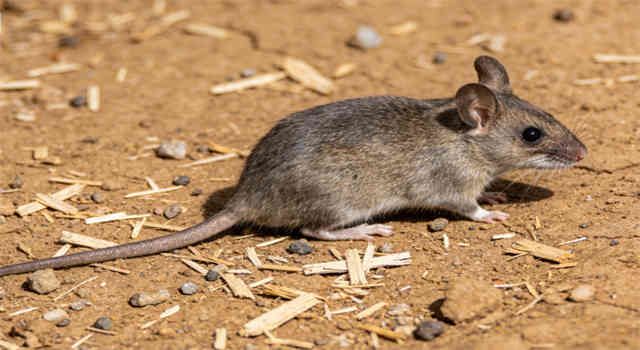
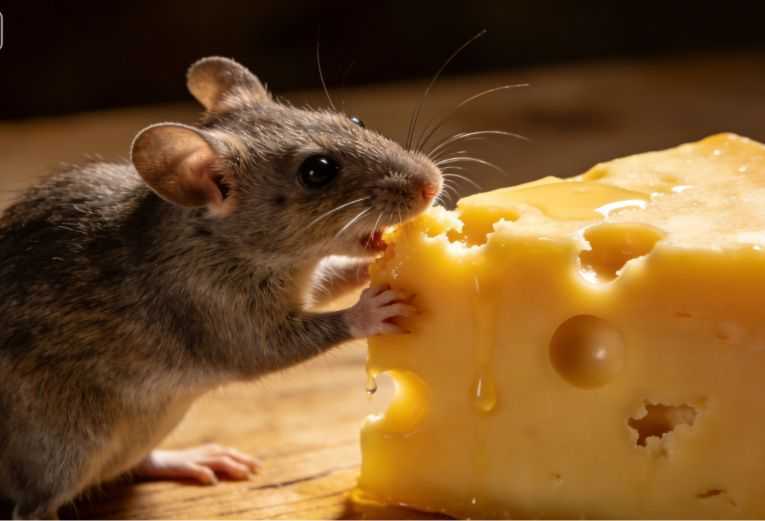
The main concern is that outdoor cats may hunt and eat infected birds or rodents,especially mice.
Bailey advises watching for signs like lethargy,a runny nose,or discharge around the eyes.
Even if a cat goes outside or eats raw food,Sykes cautions owners not to assume illness is bird flu.Upper respiratory infections are common in cats,while H5N1 remains“still pretty rare.”
Bird flu can cause neurological symptoms such as dizziness and seizures,which also occur in rabies.Rabies is almost always fatal and poses a human health threat,so animals suspected of having rabies must be euthanized.
Bailey recommends keeping pets up to date on rabies and other vaccinations.
Can my cat make me sick?
Bird flu in pet cats is uncommon,and cats appear to be dead-end hosts for the virus,meaning they’re unlikely to spread it to other animals or people.
No cat-to-human transmissions have been confirmed during the current H5N1 outbreak.The American Veterinary Medical Association says the chance is“considered extremely low,but not zero.”
Most human H5N1 cases have involved farm workers in direct contact with infected poultry or cattle.Of the 67 confirmed U.S.human cases,only one has been fatal.
The circulating strain of bird flu has not adapted to easily infect or spread between humans.
Still,bird flu viruses can mutate over time,Sykes notes,so when pet cats infected with H5N1 cuddle with their owners,that creates more chances for the virus to potentially adapt to people.
Ian Gill Bemis,a Ph.D.student studying avian influenza in cats at the University of Maryland,says more cats eating raw food means more opportunities for infection and potential cross-species transmission.
“I think there is a significantly high risk to public health that humans might become infected if large numbers of people are feeding their cats raw food at this particular point in time,”he says.
There is at least one documented case of a cat infecting a person with a different avian flu strain,H7N1.In 2016,a New York City veterinarian caught the virus after close contact with sick cats,experiencing mild symptoms before recovering.
Sykes points out that the 2016 virus is very different from H5N1,but it shows cat-to-human transmission of avian flu is possible.
Despite public health concerns,Kornreich emphasizes that pet owners who feed raw should not be vilified.“These people really want to do what’s right for their cat,”he says.
What about dogs and other animals?
The FDA says dogs can also be infected with bird flu,though illness is usually milder than in cats.Some dogs outside the U.S.have become sick and died from the virus.It’s unclear why cats have been more affected,even though dogs are also fed raw diets.
“It might be that dogs are getting infected and we just don’t know it,”says Kornreich.
Besides wild birds,poultry,and cattle,large cats are vulnerable to H5N1,as are many other mammals—including foxes,opossums,several bear species,and even bottlenose dolphins.