Information
- Home
- others

Canaries originated in the Canary Islands of northwestern Africa.Currently,over 200 breeds are known,with significant differences in feather color,body shape,and song patterns.This guide will provide a detailed overview of the basic care requirements for several common canaries,including:
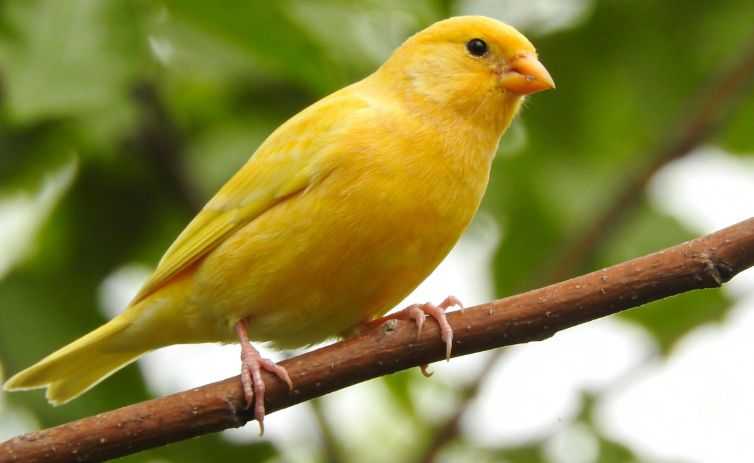
-Golden Canary
-Red-factor Canary
-Variegated Canary
Canaries can be broadly classified into three categories,with the breeding objectives and typical breeds for each category as follows:
(I)Singing Canaries
These canaries are bred primarily for their singing ability,aiming to enable them to sing specific types of songs.Typical breeds include the American Singer Canary and the German Curly Canary.
(II)Ornamental Canaries
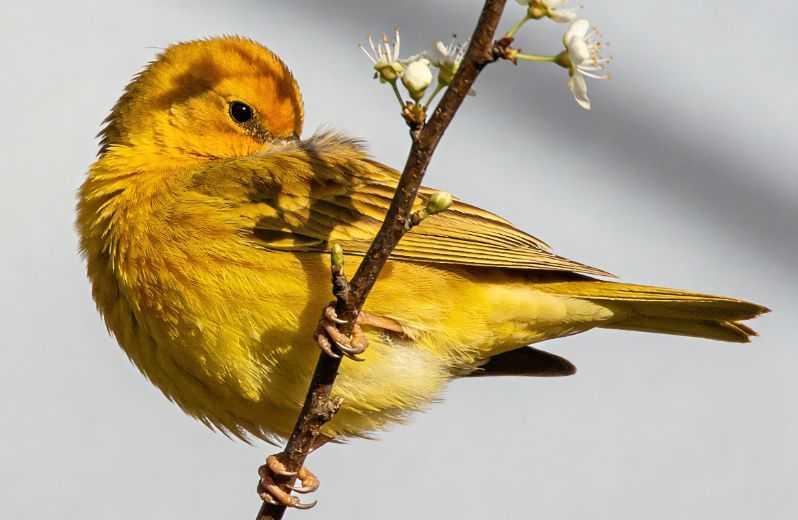
These canaries are bred primarily for their feather color,with specific plumage characteristics developed through selective breeding.Common breeds include the Golden Canary and the Red-factor Canary.
(III)Body Type of Canary
The core of breeding this type of canary lies in its body shape,size,and physical characteristics.Through selective breeding,unique physical features are developed;for example,the Gloucester canary has a distinctive bowl-shaped tuft of feathers on its head.
Male canaries attract females by singing during the breeding season(usually autumn,winter,and spring).During the summer molting season,male canaries will stop singing,which is a normal physiological phenomenon.
Although canaries can gradually adapt to human contact through long-term and patient domestication,unlike parrots such as budgerigars,they generally do not like being frequently touched.Their habits must be respected during captivity.
I.Enclosure Requirements
The ideal enclosure size for a single canary is at least 18 inches long×14 inches wide×18 inches high(approximately 45.7 cm×35.6 cm×45.7 cm).The spacing between cage bars should be controlled at 3/8 inch(approximately 0.95 cm)or less to prevent canaries from escaping or getting their heads or legs stuck in the bars.
Longer cages with ample vertical space are preferred to provide canaries with sufficient space for flight and movement,ensuring their activity needs are met.During the rearing process,provide canaries with the largest possible cage to improve their comfort.
Homemade cages or any cages made of wood or galvanized wire are not recommended.These materials may expose canaries to potentially toxic chemicals.If canaries ingest these substances,it can cause serious health problems and endanger their lives.
II.Dietary Management
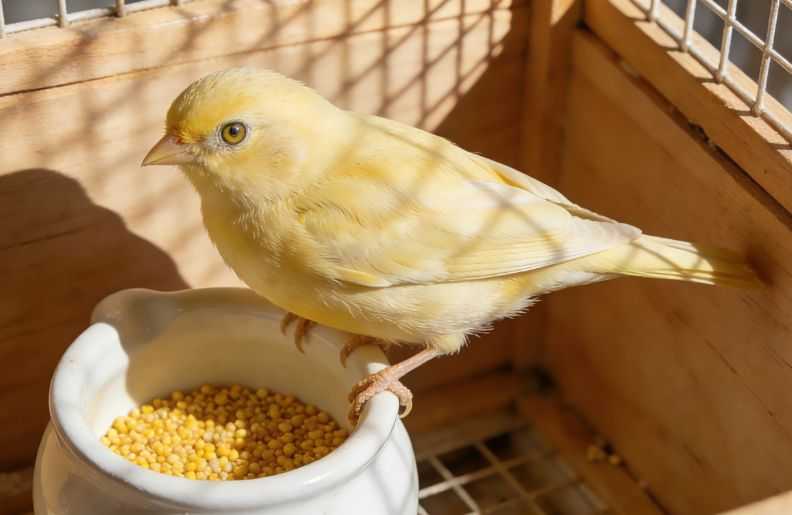
Canaries have a relatively diverse diet,suitable for pelleted feed,seeds,vegetables,fruits,and small amounts of treats.Fresh,clean drinking water must be readily available.
Keepers should never feed canaries food from their own mouths or food bowls.Various microorganisms in the human mouth can cause diseases in canaries,affecting their health.
A balanced diet for canaries should include the following food groups,with feeding requirements for each group as follows:
1.Pellets
Choose high-quality pelleted feed specifically formulated for canaries.This type of feed is nutritionally complete and can meet the basic nutritional needs of canaries.It should account for 60%-70%or more of the canary's total daily diet.
The feeding amount must strictly follow the manufacturer's instructions.Before each feeding,discard any leftover pellets to prevent the canary from consuming spoiled feed.
2.Fruits and Vegetables
Fruits and vegetables should be cut into small pieces and fed in limited quantities to avoid excessive intake and gastrointestinal upset.Suitable vegetables for canaries include:
-Bell peppers
-Leafy green vegetables
-Carrots
-Pumpkin
-Sweet potatoes
-Winter melon
-Green beans
Most common fruits are suitable for canaries.However,it is important to note that you should never feed them avocado seeds or pits of any fruit,as these substances are toxic to canaries and may cause poisoning.
Uneaten fruits and vegetables should be discarded promptly after 10 hours to prevent them from rotting,spoiling,and breeding bacteria that could lead to disease in the canary.
3.Seeds
Seeds are rich in fats,which are crucial for the synthesis of hormones that promote mating behaviors(such as singing)in canaries.However,seeds should not be the main food source for canaries.A diet consisting solely of seeds can lead to deficiencies in vitamins,minerals,and protein,affecting their health.
Canaries will remove the outer shell of seeds themselves before eating them,so there is no need to provide additional indigestible grit supplements to help them digest the whole seeds.
4.Drinking Water
Canaries must be provided with warm,fresh,and clean drinking water,which should be changed daily to ensure the water remains uncontaminated and the canaries'drinking water safety.
III.Health Care and Transportation Precautions
Canaries require a professional veterinary check-up annually to identify potential health problems and ensure early detection,intervention,and treatment,guaranteeing their long-term health.
When transporting canaries,a specialized transport cage with limited flight and fall space should be used to prevent injuries from collisions and struggles during transport.The transport cage should also be properly protected to avoid exposure to severe weather or drastic temperature changes during transport,which could trigger stress reactions in the canaries.
Lover should properly retain the packaging of food,snacks,nutritional supplements,medications,toys,etc.It is also recommended to take clear photos of the birdcage at home so that the veterinarian can fully understand the canary's living environment and daily care during examinations,providing more targeted diagnostic and treatment recommendations.