Information
- Home
- others

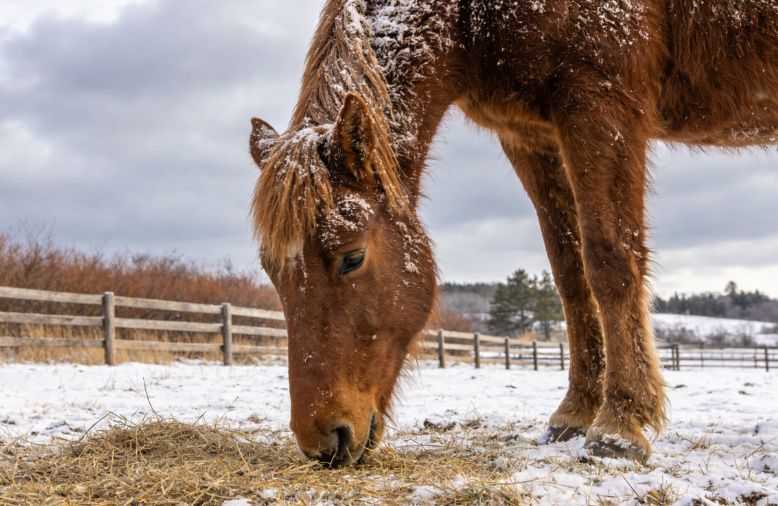
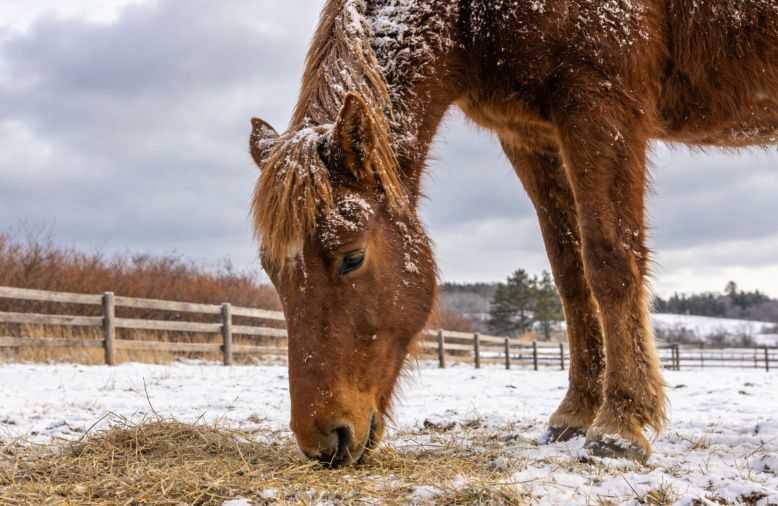
The harsh winter presents numerous health and survival challenges for horses,including dehydration,weight loss in older horses,scarcity of pasture,and the risk of slips and falls.
However,regardless of a horse's age or lifestyle,owners can use scientific care measures to help them prepare for winter and ensure an optimal survival experience in the outdoor winter environment.
When preparing for winter,it is recommended to focus on the following key aspects:
-Feed supply needs(especially for grazing horses,as pastures are prone to withering or being covered by snow in winter,requiring advance planning);
-Stable maintenance and protection;
-Appropriate selection and use of horse blankets;
-Water supply and management;
-Daily hoof care;
-Coping with winter weather changes;
-Exercise arrangements in cold weather;
-Monitoring horse condition scores;
-Winter health care and disease prevention.
I.Horse Feed Requirements in Winter
During winter,scientifically planning the feed supply for horses is crucial,directly impacting their health and cold resistance.
Horses that overwinter outdoors typically require more hay than indoor-housed horses.This is because horses generate heat during the digestion of pasture(especially hay),a vital way for them to maintain body temperature in cold environments.
The nutritional value of pasture decreases significantly in winter compared to summer.Therefore,horses may need supplemental grains or high-quality hay to maintain their health during winter.
Veterinarians will recommend suitable feed types based on the horse's age,daily activity level,and metabolic needs.These may include basic balanced feed,high-nutrient feeds specifically for older or racing horses,and fat supplements for energy replenishment.
II.Shelter for Horses in Winter
Providing stable shelter for horses is a key focus of year-round care,but it is especially critical in winter.
If horses are typically kept on pasture year-round,a simple three-sided shelter can effectively protect them from wind,rain,and the cold.With reliable shelter,horses are better able to withstand low outdoor temperatures,with some robust horses able to tolerate temperatures as low as-40 degrees Fahrenheit.Depending on individual horse constitution,their optimal survival temperature typically ranges from 18 to 59 degrees Fahrenheit.
A three-sided open stable suitable for two horses is ideally 12 feet x 20 feet(approximately 240 square feet).If all horses on the ranch get along well,the stable area should be increased by 60 square feet for each additional horse.Owners must closely observe the horses'behavior on the ranch to ensure they are friendly and prevent accidents caused by overcrowding or fighting.
III.Selection and Use of Horse Blankets in Winter
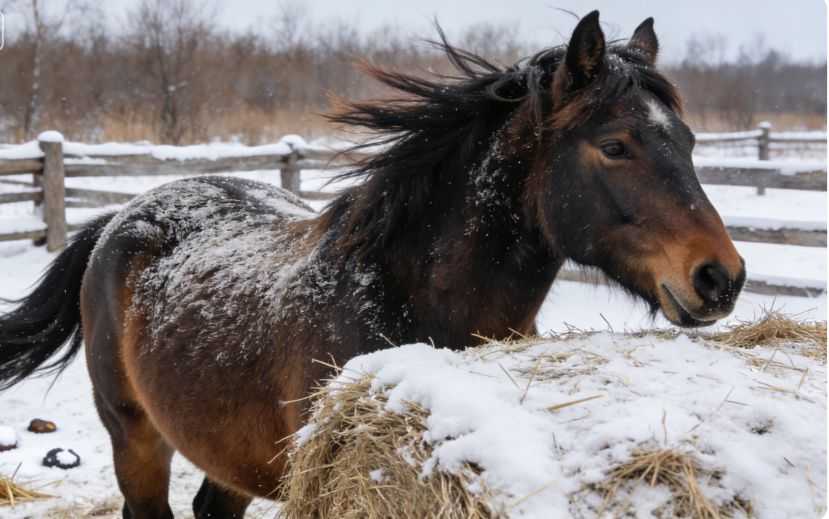
A horse's coat is its natural winter insulation barrier;the length and thickness of the coat are primarily related to the duration of daylight.As daylight hours shorten in winter,horses naturally grow a thicker coat to enhance their cold resistance.Conversely,as spring daylight hours increase,horses gradually shed their coats to adapt to rising temperatures.
Although horses possess a natural winter coat for insulation,they can still feel cold in harsh environments.The coat provides insulation by blocking air,but if it gets wet from rain or soil,its insulating properties decrease significantly,leading to rapid heat loss.Therefore,keeping horses dry and providing reliable shelter during winter(especially in rainy weather)is a crucial aspect of horse care.
It is recommended to provide a horse blanket to enhance warmth in the following situations:
-The pasture lacks reliable shelter,leaving the horse vulnerable to rain and snow;
-Frequent rain and snowfall in winter easily wet the horse's skin;
-The horse's winter coat has been trimmed,resulting in insufficient natural insulation;
-The horse is a foal or an older horse,whose thermoregulation ability is weaker due to age;
-The horse has just been exposed to a cold environment and has not yet fully adapted;
-The horse's condition score is below 3,indicating insufficient natural fat reserves to effectively resist the cold.
(I)Practical Tips for Using Horse Blankets
1.Before selecting a horse blanket,accurately measure the horse's size to ensure a proper fit and avoid abrasions or wear caused by blankets that are too loose or too tight.
2.Remove the horse blanket at least once a day to check for abrasions,dampness,and damage to the blanket.If the blanket shifts,adjust its position promptly.
3.Horse blankets must always be kept dry.If they get wet from rain or snow,they should be replaced or dried promptly to avoid affecting their warmth and causing skin problems in horses.
4.If you plan to let your horse wear a horse blanket while grazing,choose one labeled"Grazing Only."Do not use horse blankets intended for indoor stables.Grazing-specific horse blankets are made of waterproof fabric and effectively resist rain and snow,while indoor horse blankets are not waterproof.
5.Never cover a horse with a wet skin or that is sweating with a blanket.The blanket will trap moisture on the horse's skin,keeping it constantly damp and increasing the risk of skin infections.
6.During the day in winter,when temperatures rise,remove the horse blanket as needed to prevent overheating.Cover the horse again at night when temperatures drop to ensure warmth while preventing overheating.
IV.Water Management for Horses in Winter
Winter is a crucial period for ensuring horses get enough water.Insufficient water intake can easily lead to various health problems.
In summer,grazing horses can obtain 60%-80%of their water from lush pasture,generally meeting their daily drinking needs.However,in winter,the water content of pasture drops below 15%,significantly reducing water supply.Therefore,horses need to drink much more water in winter to maintain their body's fluid balance.
An average adult horse needs to drink 10-12 gallons of water per day.Keeping horses adequately hydrated in winter effectively prevents abdominal pain caused by intestinal obstruction—water intake directly affects a horse's digestive function.Sufficient water prevents feces from becoming too dry;if feces remain dry for several days to weeks,it can easily lead to intestinal obstruction.
It is particularly important to note that snow or ice is not an ideal water source for horses.Although horses may eat snow to replenish water in emergencies,they would need to ingest large amounts of snow to meet their daily water needs,which not only fails to guarantee water supply but may also cause gastrointestinal discomfort due to the cold temperature of the snow.
(I)Practical Methods to Encourage Horses to Drink Water in Winter
-Maintain the water temperature between 45-65 degrees Fahrenheit to avoid excessively cold water affecting the horse's willingness to drink.
-Appropriately increase the horse's salt or electrolyte intake.Adult horses need an average of about 1-2 ounces of salt per day.This can be achieved by placing salt blocks for easy replenishment.
-If the waterers are equipped with heaters,check the wire mesh in the stable daily for wear and damage to prevent electrical hazards.
-Clean the horse's water buckets regularly and change the drinking water promptly to ensure freshness and cleanliness,thus increasing the horse's willingness to drink.
V.Hoof Care for Horses in Winter
Hoof care is a crucial aspect of ensuring the horse's health throughout the year and needs to be continuously strengthened in winter.The growth rate of a horse's hooves is usually slower in winter than in summer,but regular hoof trimming is still necessary.The frequency of hoof trimming should be every 6 to 12 weeks,adjusted according to the individual horse's condition and the professional advice of the farrier.
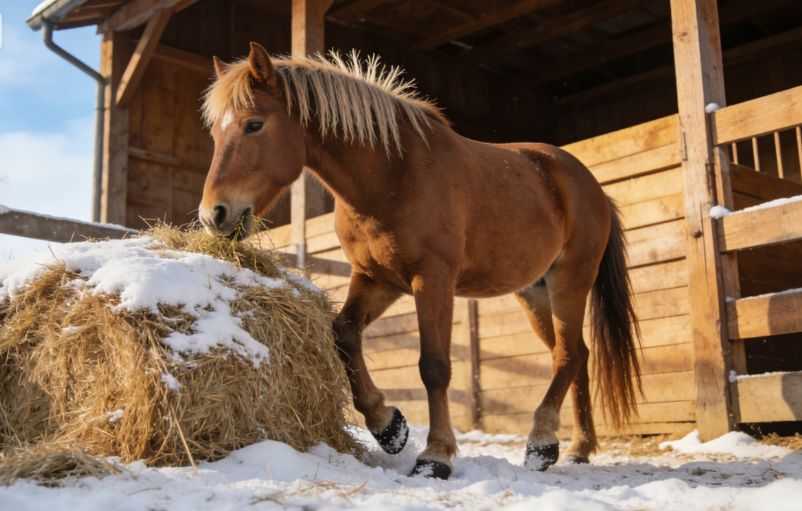
Daily checks of horses'hooves are necessary to identify any abnormalities.In winter,when the ground is covered in snow or ice,ice can easily form on the soles of a horse's hooves,reducing traction and increasing the risk of slips and falls.It also puts extra strain on joints and tendons.
Generally,horses have better traction when walking barefoot on snow.If hoofing must be done in winter,it is recommended to keep horses indoors as much as possible to avoid contact with snow and ice,reducing the risk of hoof injuries.
If horses must walk on icy or snowy surfaces,provide them with snow mats and/or anti-slip studs to prevent slips and injuries.The hard,frozen ground in winter makes horses prone to hoof injuries,requiring special attention.