Information
- Home
- cats

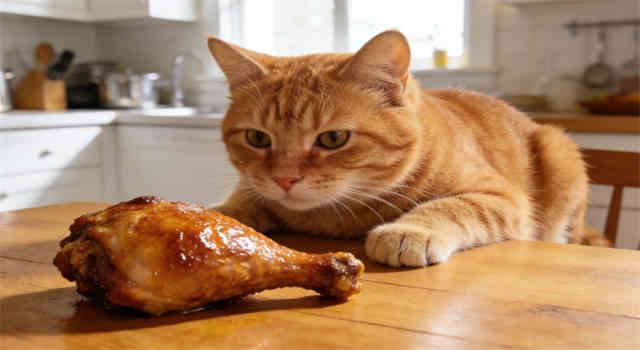
Whether you're roasting a large holiday turkey for Thanksgiving or preparing a lunch turkey sandwich,your cat will likely go to great lengths to get a taste of the aroma.This behavior isn't accidental;it's determined by the inherent characteristics of cats.
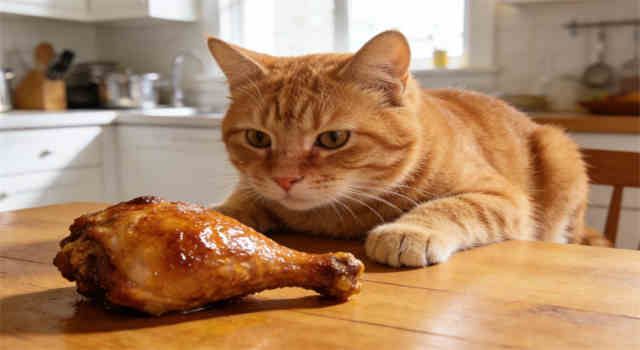
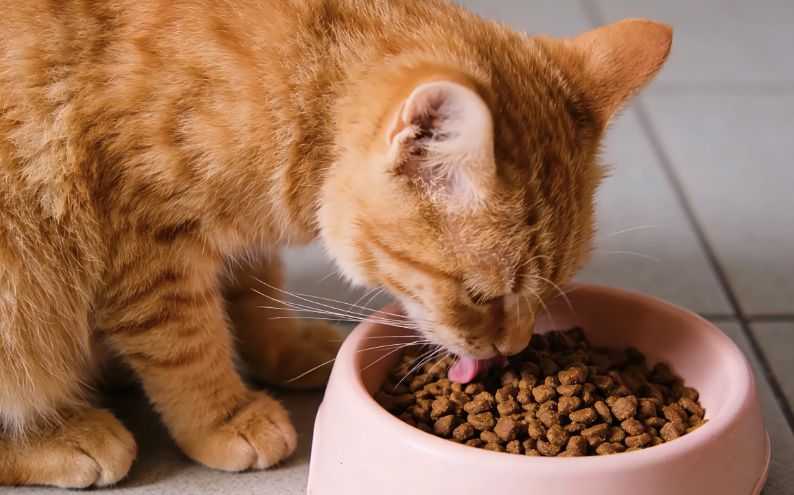
From a taxonomic and nutritional perspective,cats are typical obligate carnivores.Their digestive systems and nutritional needs are adapted to a meat-based diet,so it's natural for your feline friend to show a strong interest in poultry.According to the American Association of Feed Control Officials(AAFCO)pet food standards,many brands of kitten food use chicken or turkey as the primary animal protein source,as do various adult and senior cat foods and treats—this is because poultry is rich in high-quality protein,meeting the core needs of cats for growth,development,and daily metabolism.
These scientifically formulated cat foods not only provide cats with ample protein but also precisely supplement taurine—an essential amino acid found only in meat,offal,and seafood.Clinical research by VCA Animal Hospitals,a globally renowned animal healthcare chain,shows that taurine is crucial for many physiological functions in cats,including maintaining optimal digestion,protecting heart health,enhancing the immune system,ensuring normal reproductive function,and maintaining retinal health and preventing vision decline.Long-term taurine deficiency in cats can lead to serious diseases such as cardiomyopathy and retinal degeneration,even endangering their lives.
Can cats safely eat turkey?
Cats can eat turkey,but the principle of"treat only,portion control"must be strictly followed.If you only use turkey as a treat to strengthen your bond with your cat or as a training aid,occasionally letting them have a small bite will generally not have a negative impact on their health.According to the American Veterinary Medical Association(AVMA)and animal nutrition research recommendations,to maintain a cat's healthy weight and avoid nutritional imbalances,treat intake should not exceed 10%of their total daily diet.Therefore,you need to consider this ratio and other safety factors when feeding them.
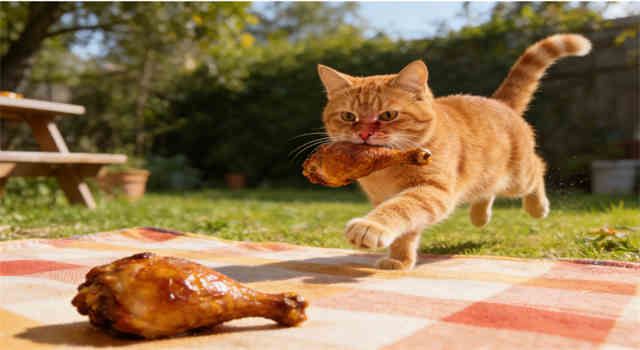
Dr.Tina Wismer,Senior Director of the Animal Poison Control Center at the American Society for the Prevention of Cruelty to Animals(ASPCA),clearly states:"If you decide to feed your pet a small piece of turkey,make sure it is boneless and fully cooked.However,do not allow your pet to eat too much,otherwise they may experience stomach upset,diarrhea,or even more serious pancreatitis."From a food safety perspective,"fully cooked turkey"needs to be heated to an internal temperature of 165 degrees Fahrenheit(approximately 74 degrees Celsius).This temperature effectively kills any pathogens such as Salmonella and E.coli that may be present in the turkey,preventing intestinal infections in cats.
Furthermore,avoid feeding turkey that has been dipped in grilling gravy,turkey gravy,or any other condiments.According to ASPCA's animal toxicology studies,seasonings containing allium vegetables such as garlic,onions,chives,scallions,and leeks can damage red blood cells in cats,leading to hemolytic anemia.Spices like lemongrass,tarragon,oregano,and marjoram can irritate a cat's gastrointestinal lining,causing vomiting,diarrhea,and other discomfort.It's also crucial to keep cats away from turkey bones—they are hard,and chewing them can create sharp fragments that can cause choking,cut the esophagus or gastrointestinal tract,and lead to bleeding or obstruction.
From a nutritional perspective,you can roast unpackaged,unseasoned turkey offal(liver,heart,giblets,etc.)inside the turkey.After roasting,cut it into small pieces,take about a tablespoon as a treat or side dish for your cat,and freeze the rest in small portions for later thawing as a reward.Turkey offal is rich in protein,vitamins,and minerals,and has a delicate texture,making it suitable for cats while also reducing food waste.
Are cooked turkey or turkey meat mince good or bad for cats?
Since turkey meat itself is harmless to cats,many owners ask if their cats can eat cooked turkey or turkey meat mince.The answer is no—unless you can personally verify that the cooked turkey meat is freshly cut from a butcher's block of fresh turkey without any additives.According to food hygiene standards and animal nutrition studies,commercially processed cooked turkey meat usually contains high levels of sodium and nitrates.Long-term intake of high-sodium foods can increase the burden on a cat's kidneys,leading to kidney disease;nitrates can damage a cat's liver.Furthermore,any artificial additives(such as smoked flavors,seasonings,etc.)will increase the burden on a cat's gastrointestinal tract and are detrimental to its health.
However,cats can eat freshly cooked shredded turkey meat.If you want to prepare a simple homemade treat for your cat when making turkey burgers,thoroughly cook fresh turkey meat(to an internal temperature of over 74 degrees Celsius),making small patties that a cat can swallow whole,and then season your turkey burgers.These homemade meat patties can be frozen individually and thawed when needed as a treat for your cat,ensuring both safety and nutritional value.
Other Foods Cats Can and Cannot Eat
It's natural to want to offer your cat some delicious treats,especially when it eagerly jumps on your treat bowl.However,it's crucial to strictly adhere to the principle that"snack intake should not exceed 10%of the total daily diet."A healthy,exclusively carnivorous cat can occasionally enjoy the following foods in moderation:
-Apple flesh(remove the core,seeds,and peel;the core and seeds contain trace amounts of cyanide,and the peel is difficult to digest and may cause gastrointestinal upset);
-Bananas(peeled;bananas are rich in potassium but high in sugar,and excessive consumption may lead to obesity);
-Blueberries(rich in antioxidants;moderate consumption helps boost the cat's immunity);
-Hard-boiled eggs(shell removed;eggs are an excellent source of protein,and cooking prevents Salmonella infection);
-Peanut butter(must be plain,unsalted,and xylitol-free;xylitol is toxic to cats,and excessive salt can burden their kidneys);
-Strawberries(rich in Vitamin C;moderate consumption is harmless,but must be thoroughly washed);
-Pumpkin and zucchini(rich in dietary fiber,which can help relieve constipation or diarrhea in cats;must be cooked before feeding);
-A small amount of cooked salmon(rich in Omega-3 fatty acids,which help maintain healthy skin and fur in cats;bones must be removed to avoid parasite infection).
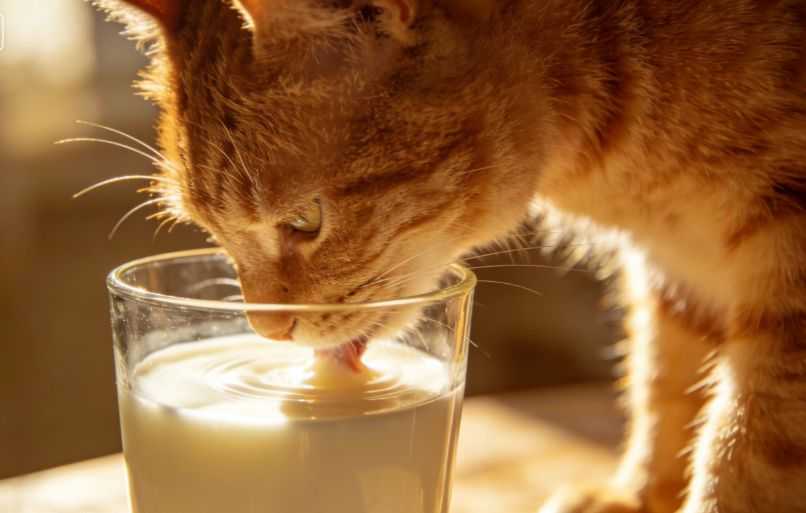
Some cats may occasionally eat a small bite of cheese,but from an animal nutrition perspective,this is not an ideal choice—because most cats are lactose intolerant(adult cats lack sufficient lactase to effectively digest lactose in milk and dairy products),and may experience diarrhea,bloating,and other discomfort after consumption.Therefore,it is not recommended to feed this regularly,and never prepare a dish of milk for your cat.
The following are human foods that should absolutely not be fed to cats.According to toxicology studies by ASPCA and VCA hospitals,these foods may cause varying degrees of harm to cats,and in severe cases,can be life-threatening:
-Alcohol:Cats are extremely sensitive to alcohol;even small amounts can cause alcohol poisoning,leading to vomiting,drowsiness,difficulty breathing,and even coma and death.
-Chocolate:Chocolate contains theobromine and caffeine,which cats cannot metabolize.Ingestion can cause poisoning symptoms such as vomiting,diarrhea,rapid heartbeat,and convulsions.
-Citrus fruits:The peel,pulp,and juice of citrus fruits contain irritating components that can irritate a cat's gastrointestinal tract,causing vomiting and drooling.
-Coffee:Caffeine in coffee can cause nervous excitement and a rapid heartbeat in cats;excessive intake can lead to poisoning.
-Coconut water and coconut meat:Although the toxicity is low,excessive consumption may cause diarrhea and bloating in cats.
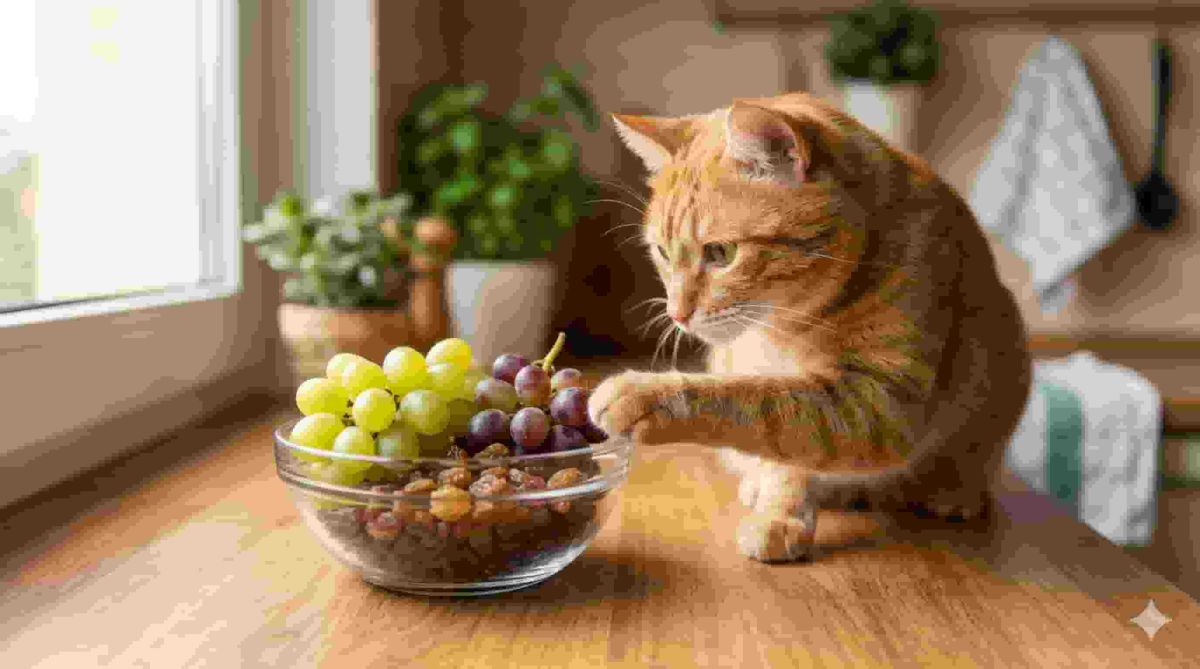
-Grapes and raisins:Grapes and raisins have an unknown toxicity to cats;even small amounts may cause acute kidney failure.
-Nuts:Most nuts(such as walnuts,almonds,and macadamia nuts)are high in fat.Excessive consumption can lead to pancreatitis in cats,and some nuts may even cause poisoning.
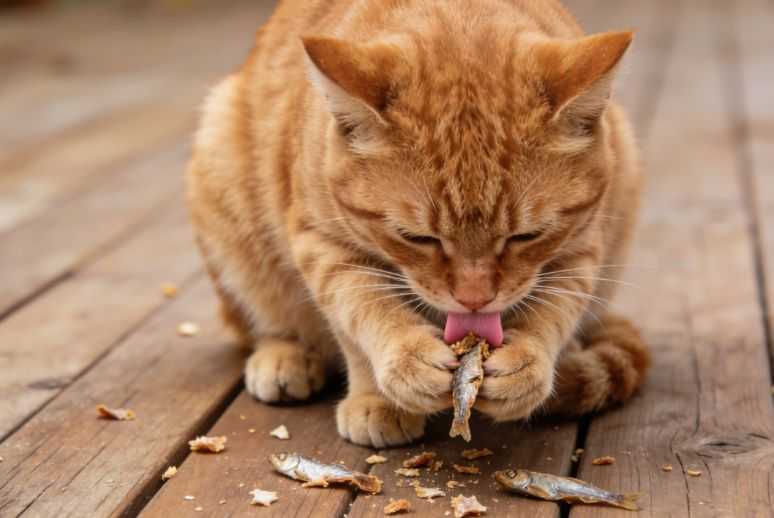
-Raw or undercooked meat and fish:These may contain pathogens(such as Salmonella)and parasites(such as Toxoplasma gondii),which can cause intestinal infections or parasitic diseases in cats.Therefore,cats should not eat raw fish such as sushi.
-Raw dough:The yeast in raw dough will ferment in a cat's body,producing alcohol and carbon dioxide,causing alcohol poisoning and bloating.In severe cases,it can lead to stomach rupture.
-Any food sweetened with xylitol:Xylitol is an artificial sweetener that is highly toxic to cats.Ingestion can cause a sharp drop in blood sugar,liver damage,and even death.