Information
- Home
- others

Heading off on holiday and leaving your fish behind can feel a bit nerve-wracking,but with a bit of planning,there’s really no need to stress.A few simple steps before you walk out the door can keep your tank happy and healthy until you’re back.
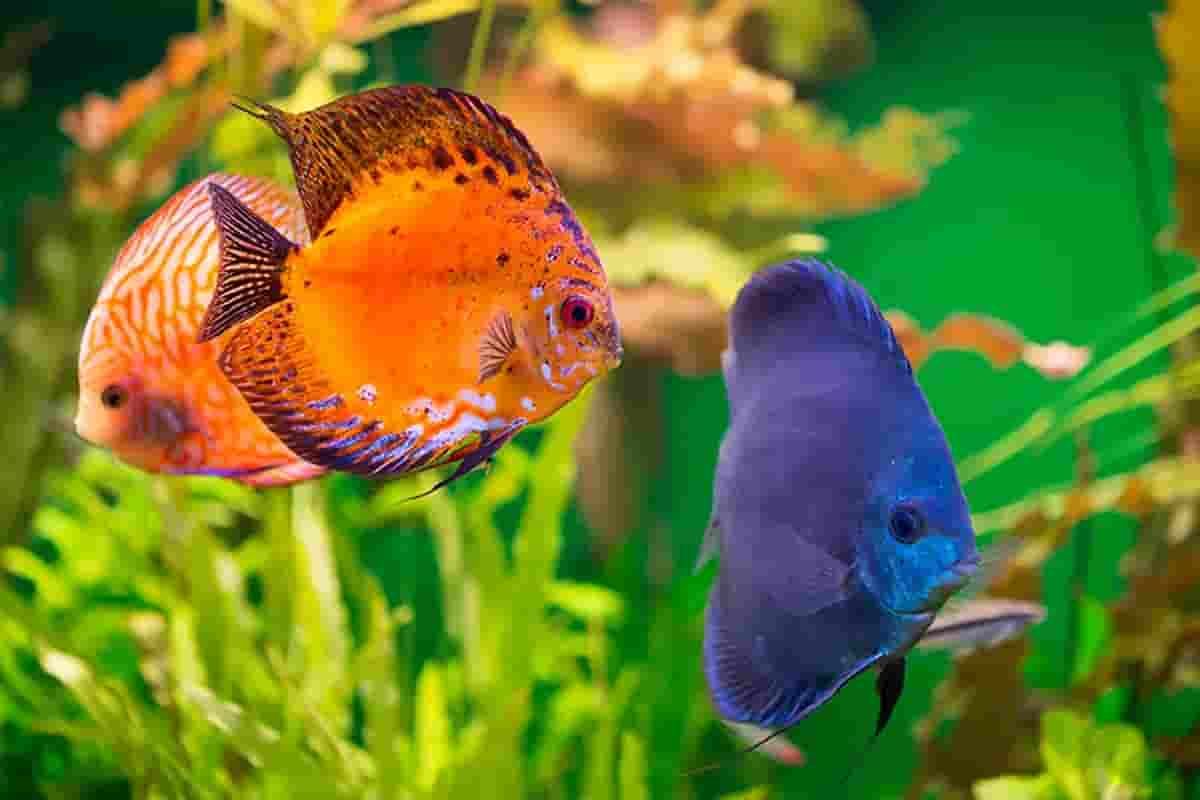
First,let’s talk about food.If you’re only ducking away for two or three days,you might not need to feed them at all.Plenty of fish can cruise through a short fast without any drama—carnivores like bettas or Jack Dempsey cichlids can go even longer compared to plant-nibbling types such as tetras.Bigger,fully grown fish manage longer gaps than tiny juveniles,and sedentary species hold out more easily than super active swimmers that zip around all day.Before you assume anything,read up on your specific breed.If you’re even a little unsure,pop into a Petbarn and chat with someone who knows their stuff.
Now,if your fish will definitely need feeding while you’re away,you’ve got a few options.Holiday feeding blocks can work,but test them at home before you actually leave.Some dissolve too fast or too slow,and occasionally a fish won’t recognize the block as food at all,which leaves it sitting there messing with your water quality.A more reliable route is an automatic feeder that drops dry food in controlled portions.Or you can draft a friend or neighbour to pop by and play fish-sitter,which honestly is often the safest bet.
Before you lock the front door,give the tank a proper clean.Do a solid water change—somewhere between half and two-thirds is a good target—and run the gravel vacuum while you’re at it.Fresh water gives everything the best shot at staying stable.If you’ll be gone more than a week,fill the tank up a bit higher than usual so evaporation doesn’t cause problems.Check your filter too:replace any gunked-up sponge or pads,and clear out the tubes so nothing clogs halfway through your trip.Finally,test your water—pH,ammonia,nitrite,nitrate—to make sure you’re leaving things in a good spot.You can grab a home testing kit,or swing by Petbarn with a small water sample and they’ll test it for free.
Give your gear a quick once-over as well.Heater plugged in and working?Filter humming along?Any batteries in automatic feeders or air pumps still fresh?It’s the kind of check that only takes five minutes but saves you from imagining worst-case scenarios poolside.
Light timers are a small thing that makes a big difference.Fish don’t enjoy perpetual brightness or constant darkness any more than we do.Set a timer that gives them twelve hours of light and twelve of dark,mimicking a natural rhythm and keeping unnecessary algae at bay.
Temperature is another big one,especially since fish are cold-blooded and react fast to any shift.In summer,if your place tends to heat up,program the air-conditioning to kick in above a certain temperature.Ask your fish-sitting friend to swing by during heatwaves just to double-check everything’s holding steady.
Speaking of fish sitters,if your trip stretches beyond a week you’ll really want someone checking in.Leave them clear,foolproof instructions—what to feed,how much,and when.A neat trick is portioning out the food into a weekly pill organiser so there’s zero guesswork and zero chance of overfeeding.Also brief them on the basics of what to glance at each visit:any leaks,whether the filter’s running,the water temperature on the thermometer,and who to call if something seems off—your local Petbarn or a Greencross Vet are good starting points.A little prep like this means you can actually relax and enjoy your time away.