Information
- Home
- others

Before bringing new chickens home,it's wise to check your local government's website for any regulations or restrictions.Also,take some time to learn about potential predators in your area.If your goal is egg production,it's best to invest in younger hens,since they tend to lay most heavily during their first couple of years.Keep in mind that commercial egg-laying breeds often have shorter lifespans due to reproductive health issues,while heritage or specialty breeds may produce fewer eggs but typically enjoy longer lives.
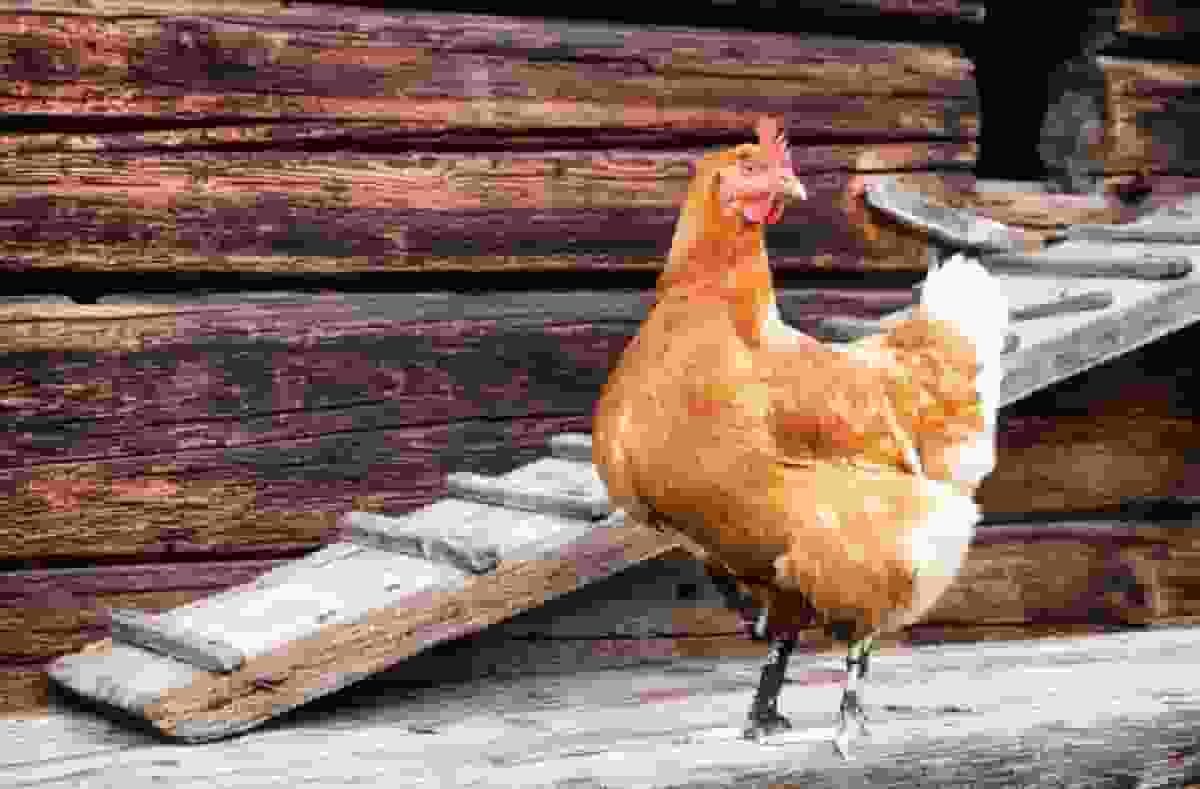
Make sure to source your birds from a reputable supplier that provides vaccinated stock,as chickens are quite susceptible to respiratory infections and viral diseases.And if you'd like to stay on good terms with your neighbors,it's probably best to skip adding a rooster—they can be quite vocal.What's more,a rooster's presence can encourage hens to go broody,which tends to reduce overall egg output.
Your chicken coop needs to be sturdy,dry,and well-ventilated.Depending on your local climate,you may also want to add some insulation to help regulate temperatures inside.
To keep digging predators at bay,reinforce the coop with wire mesh that extends at least 30 centimeters into the ground.This also helps deter burrowing pests.For floor covering,about 8 centimeters of sawdust substrate works well—it adds comfort and encourages natural scratching and foraging behavior.
Give your chickens room to enjoy the outdoors.If your backyard is securely fenced and free from hazards,you can even let them roam freely.Before doing so,it's a good idea to consult your local Greencross Vets about the possibility of wing clipping to prevent escape.
If you're hoping for a steady supply of eggs,be sure to provide nesting boxes.These should be dark,quiet,and secure,with just a single entrance.Line them with straw or sawdust,and replace the bedding weekly—or more often if it becomes soiled.You'll also need to set up perches,along with waterers and feeders,so your flock has constant access to essentials.
Once a week,inspect for mites and lice,give the coop a thorough cleaning,spot-clean bedding,refresh nesting-box materials,and wash both waterers and feeders.Regular upkeep like this goes a long way toward minimizing the spread of viral illnesses.
On an annual basis,check fencing and screws for damage,and look for any holes that might have developed.For cleaning,use animal-safe antibacterial products,which are available at your local Petbarn.
**Feeding**
A high-quality dry poultry pellet or crumble should form the backbone of your chickens'diet,as it provides a well-balanced mix of vitamins,minerals,and nutrients.You can supplement this with grains or scratch mixes as an occasional treat—they're tasty and can be scattered among the pellets,but shouldn't make up the bulk of their daily intake.Also offer a steady supply of oyster shell grit,along with fresh raw fruits and vegetables.Your flock will also enjoy access to worms,insects,and greens.Cooked rice,pasta,bread,and legumes can be offered now and then as extra treats.
Fresh,clean water must be available at all times.Avoid feeding your chickens chocolate,eggshells,chicken meat,avocado,lawn clippings,or bones,as these can be harmful to their health.
For tailored feeding advice—based on flock size,age,and feeding frequency—speak with a team member at your local Petbarn.
**Grooming**
Chickens benefit from occasional grooming attention.They love dust baths,which help keep their feathers in good condition.Regularly check for external parasites,and if you spot mites or lice,treat the birds with products specifically registered for poultry.Be sure to also treat the coop environment and bedding if an infestation occurs,and consider increasing bedding-change frequency as needed.
While foraging usually keeps nails worn down naturally,it's still a good idea to inspect them periodically.If they appear overgrown,reach out to your local Greencross Vets for advice.Also watch for footpad ulcers,which can lead to lameness and more serious health issues.
**Travelling**
When transporting chickens,keep them separated to prevent pecking or scratching during the journey.Individual cat carriers or small cages are ideal for this purpose.
Make sure each carrier has adequate ventilation and enough room for the bird to sit comfortably.Line the bottom with bedding from their usual coop,and bring along food and water,stopping periodically to allow them to eat and drink.
**Health**
If you purchase commercially raised chickens,they should come properly vaccinated—but it's still a good idea to schedule a check-up with your local Greencross Vets.When adopting or buying birds,always ask for a clear vaccination history.
Chickens are vulnerable to lice,mites,worms,and respiratory conditions,so regular health checks are essential.Keep an eye out for signs like visible parasites,a disheveled appearance,sneezing,lethargy,reduced appetite,or stunted growth.