Information
- Home
- health

Ascites in dogs,formally termed peritoneal effusion or free peritoneal fluid in veterinary medicine,is a serious pathological sign,not an independent disease.If not treated promptly,it can be life-threatening for dogs.Its core definition is:an abnormal accumulation of excessive fluid in the abdominal cavity of a dog,exceeding the normal physiological range.Physiologically,the abdominal cavity of a dog houses vital organs such as the liver,pancreas,stomach,intestines,spleen,and bladder.In a healthy state,these organs are surrounded by only a small amount of physiological lubricating fluid(approximately a few milliliters to tens of milliliters)to reduce friction during organ movement.However,in the case of ascites,the amount of fluid in the abdominal cavity increases significantly,causing organs to float in the fluid and affecting their normal physiological functions.
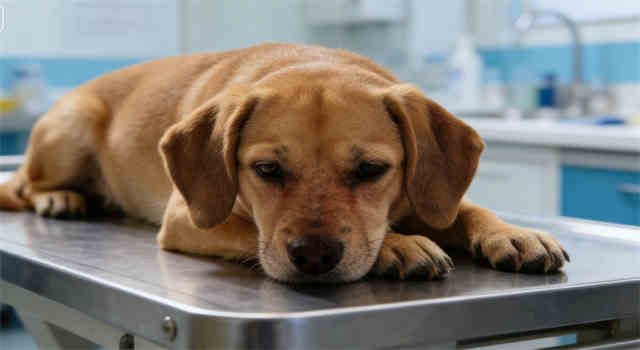
The amount and composition of the fluid accumulated in the abdominal cavity(such as transudate,exudate,blood,urine,etc.)can vary depending on the underlying primary disease.When the ascites reaches a moderate to severe level(usually exceeding 500 ml),it causes significant abdominal distension,which in turn compresses the lungs and heart in the thoracic cavity,restricting lung diastolic function.This prevents the dog from completing normal gas exchange,ultimately leading to respiratory distress and,in severe cases,respiratory failure.This is one of the main reasons why ascites endangers the life of dogs.
Symptoms of Canine Ascites
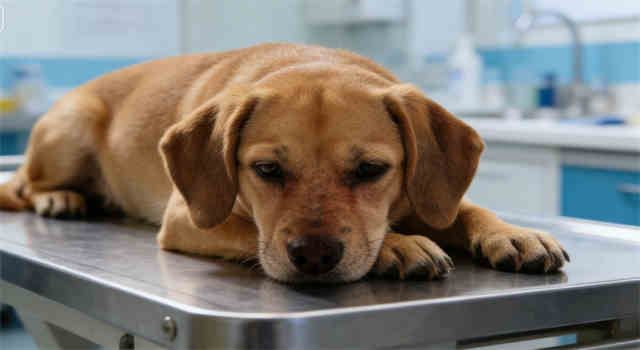
The symptoms of canine ascites are directly related to the amount of fluid in the abdominal cavity and the severity of the underlying disease,exhibiting distinct stages.When the amount of fluid is small(mild ascites,usually less than 200 ml),the symptoms are often atypical,possibly only manifesting as mild lethargy and slight loss of appetite,similar to common digestive discomfort,and easily overlooked by pet owners.When the amount of fluid reaches a moderate to severe level,or when the underlying disease progresses rapidly,the symptoms will gradually worsen.Common clinical symptoms include:
-Mental state:Lethargy,listlessness,and sluggish response to external stimuli.This is due to insufficient energy supply caused by fluid compression of organs and metabolic disorders.
-Digestive function:Decreased appetite,sometimes leading to anorexia;accompanied by vomiting or retching,often due to ascites compressing the stomach and causing gastric emptying disorders;diarrhea(increased frequency of bowel movements)or constipation(decreased frequency of bowel movements),related to intestinal compression and abnormal intestinal motility.
-Physical condition:General weakness and fatigue,reluctance to move;noticeably distended and tense abdomen,with fluid fluctuations palpable;abnormal weight gain(not obesity,mainly due to fluid accumulation).
-Respiratory symptoms:Restlessness,excessive panting,rapid and shallow breathing,sometimes leading to difficulty breathing,symptoms worsening when lying down(ascites further compresses the chest cavity due to positional changes);some dogs will vocalize when lying down due to pain or difficulty breathing.
-Other symptoms:Increased thirst and urination(often related to primary diseases such as kidney or liver disease);significant pain upon abdominal palpation,with the dog resisting and avoiding the examination;abnormal gum color(pale gums indicate anemia,bluish or purplish gums indicate hypoxia,related to respiratory distress or circulatory failure);in severe cases,syncope may occur,and some dogs may also cough(often related to ascites caused by heart disease).
Causes of Canine Ascites
As mentioned earlier,ascites is a secondary condition,its core cause being an imbalance where the production of fluid in the abdominal cavity exceeds its absorption.This imbalance is often caused by various primary diseases.According to veterinary clinical statistics,common primary diseases leading to canine ascites can be divided into the following categories,each with a clear pathological mechanism:

1.Heart Disease(Most Common Cause)
Right ventricular disease is the most common,accounting for approximately 40%-50%of canine ascites cases,specifically including right ventricular failure,canine heartworm disease,dilated cardiomyopathy,and pulmonary stenosis.The pathological mechanism is as follows:When right ventricular function is abnormal,systemic venous blood return is obstructed,leading to increased intra-abdominal venous pressure.Fluid components from the blood seep into the abdominal cavity,forming transudative ascites.
2.Liver Diseases
Commonly seen in chronic liver failure,hepatitis,portal hypertension,etc.The liver is the main organ for metabolism and albumin synthesis.When liver function is impaired,albumin synthesis is insufficient,leading to decreased blood osmotic pressure and fluid leakage from blood vessels into the abdominal cavity.Simultaneously,portal hypertension increases intra-abdominal vascular pressure,further aggravating ascites accumulation,often resulting in transudative ascites.
3.Protein-Related Diseases
The core issue is the significant loss or insufficient synthesis of protein in the body,leading to decreased blood osmotic pressure and ascites.Specific examples include:hypoalbuminemia(serum albumin level below 25 g/L),protein-losing enteropathy(damage to the gastrointestinal mucosa,protein leakage from the intestines),protein-losing nephropathy(abnormal renal filtration function,protein excretion in urine),nephrotic syndrome,etc.
4.External Trauma in Dogs
External impacts,crushing injuries,etc.,can cause rupture of abdominal organs(such as the liver,spleen,and bladder),leading to fluid leakage into the abdominal cavity.A ruptured bladder or urinary system can cause urine leakage,resulting in urinary incontinence;a ruptured liver or spleen can cause blood leakage,forming bloody ascites.This type of ascites often has an acute onset and is very dangerous.
5.Peritonitis
Peritonitis refers to an infection of the peritoneum,the inner lining of the abdominal cavity(mostly caused by pathogens such as bacteria and fungi).Inflammation causes the peritoneum to secrete a large amount of exudate,which accumulates in the abdominal cavity,forming exudative ascites.It is often accompanied by symptoms of infection such as fever and abdominal pain.
6.Poisoning
The most common cause is accidental ingestion of rodenticides(such as anticoagulant rodenticides).These drugs inhibit the synthesis of clotting factors in dogs,leading to abnormal blood clotting and causing intra-abdominal bleeding,forming bloody ascites.It may also be accompanied by subcutaneous bleeding,gingival bleeding,and other symptoms.

Treatment of Canine Ascites
The core of canine ascites treatment is"symptomatic relief+etiological treatment."A personalized treatment plan is developed based on the primary disease type and the severity of the ascites.Based on clinical experience,specific treatment measures are as follows:
1.Ascites Paracentesis:This is an emergency measure to relieve symptoms of moderate to severe ascites,not a cure.By aspirating some ascites,it can quickly reduce abdominal pressure and relieve symptoms such as difficulty breathing and abdominal distension.The aspirated ascites sample can also be used for further diagnosis.However,it is important to note that the amount of fluid drained each time should not be excessive(to avoid causing hypotension and shock),and the ascites may re-accumulate after drainage,requiring combined etiological treatment to control fluid accumulation.
2.Etiological Treatment(Core Step):Targeted treatment is administered based on the type of primary disease.Surgical intervention is required in some cases:
-Surgical Treatment:Applicable to organ rupture caused by trauma,resectable malignant tumors,intra-abdominal abscesses,etc.Surgery repairs damaged organs and removes lesions,preventing ascites formation at its source.
-Drug Treatment:For ascites caused by heart disease,intravenous diuretics(such as furosemide and spironolactone)are commonly used to promote the excretion of excess fluid and reduce ascites accumulation.These drugs are most effective for ascites caused by right heart disease or heart failure.For liver and kidney dysfunction,hepatoprotective and nephroprotective drugs are needed to improve organ function.For infectious diseases such as peritonitis,antibiotics and antifungal drugs are needed to control the infection.
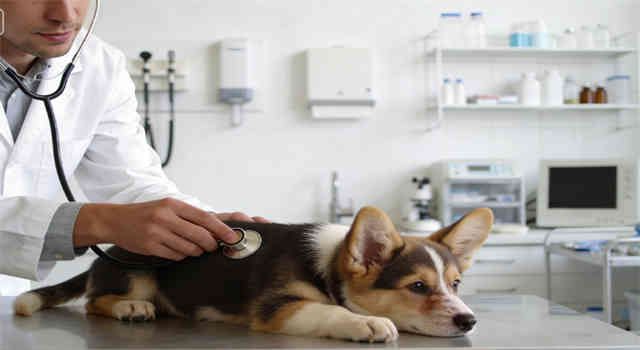
3.Inpatient Care:Almost all dogs with ascites require hospitalization for observation during treatment.This allows veterinarians to monitor vital signs,adjust treatment plans,and maintain electrolyte balance through intravenous fluid replacement to prevent dehydration and malnutrition due to ascites loss and insufficient food intake.
4.Dietary Management:Some dogs(such as those with protein loss due to gastrointestinal diseases or right heart disease)may require a special diet for life,such as a low-sodium,high-protein diet,to reduce the burden on the heart,supplement the body's protein needs,and help control the condition.
Recovery and Management of Canine Ascites
The prognosis of canine ascites depends heavily on the type of underlying disease and the effectiveness of treatment.Due to its diverse causes,the prognosis varies significantly depending on the cause.Based on clinical case statistics,the specific situation is as follows:
It is particularly important to note that ascites is not an independent disease,but rather a"warning sign"of serious illness.This is especially true for older dogs and dogs exhibiting unexplained abdominal swelling.Do not ignore these signs;seek immediate veterinary attention to rule out the underlying disease.Furthermore,during treatment and after recovery,strictly follow the veterinarian's advice,including regular checkups,timely medication,and dietary adjustments,to maximize the chances of recovery and extend the dog's lifespan.