Information
- Home
- cats

While sharing human food with their feline family members may seem natural,many human foods are actually potentially harmful to cats.Therefore,it's crucial to verify the safety of all foods before giving your cat any treats,clearly distinguishing between edible and toxic foods.
Should cats eat human food?
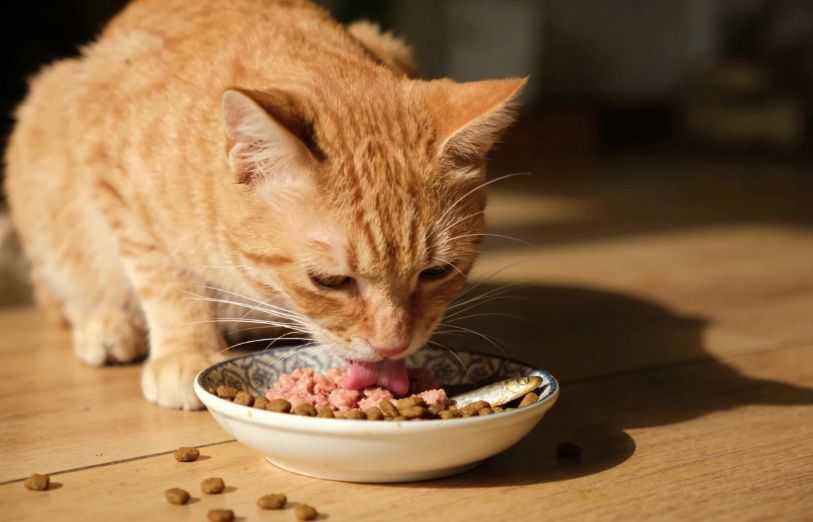
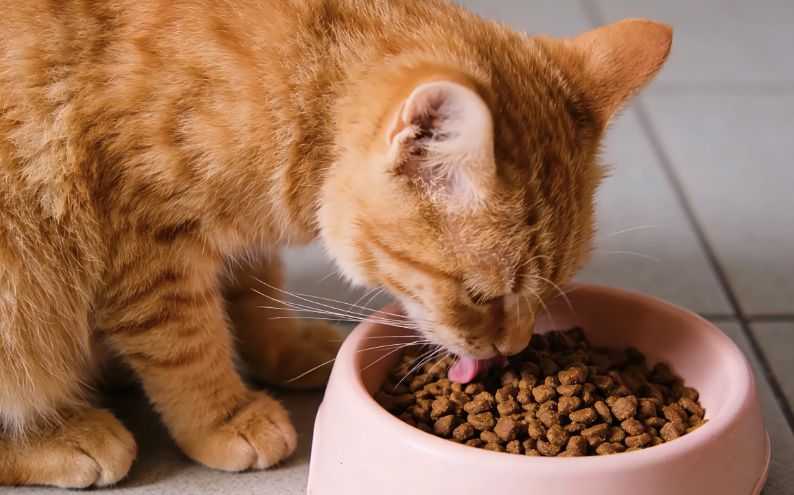
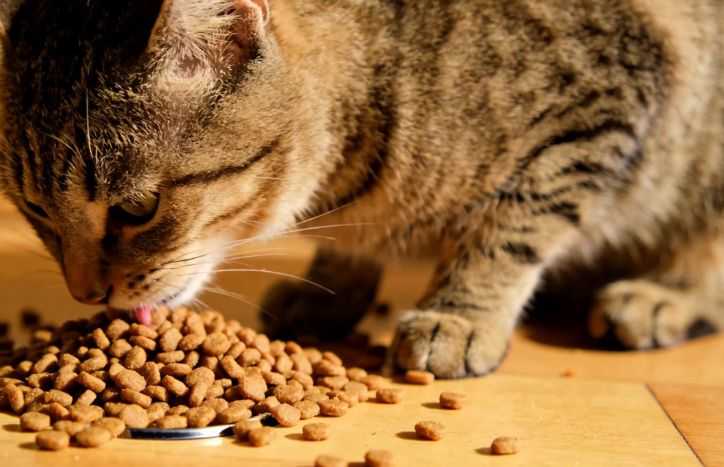
Even though cats will go to great lengths to please their owners and solicit human treats,these treats are not essential to a cat's daily diet.To clarify the dietary composition needed for a cat's health,and the types of foods that are safe to eat and absolutely prohibited,we collaborated with the Small Animal Clinical Nutrition Service at the University of Missouri in Columbia,Missouri.The research results indicate that cats require very few additional food options besides regular commercial cat food.
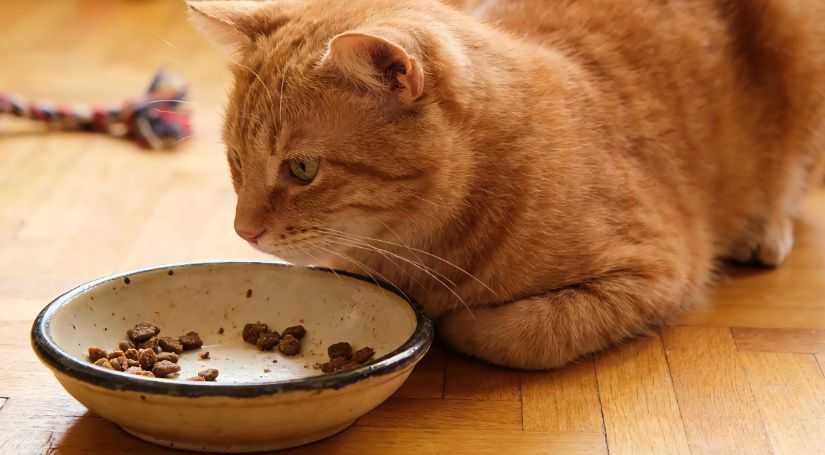
“Cats have specific nutritional needs that must be met through a scientifically sound diet,”says the Small Animal Clinical Nutrition Service at the University of Missouri.“The simplest and most reliable way to meet a cat’s nutritional needs is to provide them with a nutritionally complete and balanced commercial cat food formulated by a professionally certified veterinary dietitian or an expert with a doctorate in animal nutrition.”
This means that even treats generally considered healthy by humans(such as fruits and vegetables)may provide cats with more vitamins and minerals than they would normally need for a balanced diet.Furthermore,higher doses are not always better;in some cases,excessive intake of certain nutrients can even harm a cat’s health.
Which human foods are safe for cats?
If owners still wish to feed their cats small amounts of human treats,the Clinical Nutrition Service points out that some human foods are generally considered safe for cats,but the intake of these treats should be limited to no more than 10%of the cat’s total daily calorie intake.“For example,”the Clinical Nutrition Service further explained,“if a cat’s total daily calorie intake is 250 calories,then the calories from any unbalanced food(i.e.,human snacks)should not exceed 25 calories.”Exceeding this standard can lead to overweight in cats,causing a range of health problems.
However,the Clinical Nutrition Service also cautions that each cat’s individual differences and physiological needs must be fully considered.Some cats may not have any adverse reactions to a certain food,while others may experience vomiting,diarrhea,or other adverse reactions after eating the same food.Therefore,before introducing any new human food as a snack to your cat,even if the food is generally considered safe,it is recommended to consult a veterinarian beforehand to ensure it is suitable for your cat.
Which human foods are toxic to cats?
“Some human foods are clearly harmful to cats and should absolutely not be fed to them,”the Clinical Nutrition Service emphasized.The American Society for the Prevention of Cruelty to Animals(ASPCA)has compiled a detailed list of human foods that should be avoided when feeding cats.However,this list is not exhaustive—many foods have not undergone peer-reviewed studies,and their toxicity to cats has not been definitively proven.
The following are human foods that the ASPCA explicitly states should be strictly avoided for cats:
-Alcohol:Alcoholic beverages and foods can cause serious health problems in cats,including vomiting,diarrhea,difficulty breathing,coma,and in extreme cases,death.
-Yeast-containing dough:When yeast-containing dough ferments in a cat's digestive system,it produces a large amount of gas,causing bloating and,in severe cases,gastric torsion,which can be fatal.Furthermore,alcohol is produced as a byproduct of yeast fermentation,and alcohol itself can cause the aforementioned harms to cats(see above).However,small amounts of fully baked bread are usually safe for healthy cats.
-Chocolate:Chocolate contains methylxanthines(specifically theobromine and caffeine),which are toxic to cats.This can cause symptoms such as vomiting,diarrhea,tremors,and seizures,and in severe cases,death.The concentration of methylxanthines varies among different types of chocolate,with cocoa powder being the most toxic and white chocolate the least.
-Coffee:Similar to chocolate,coffee also contains methylxanthines(caffeine),and therefore can produce the same adverse side effects on cats as chocolate.
-Citrus Fruits:Citrus fruits such as lemons,limes,oranges,clementines,and grapefruits contain citric acid and essential oils,which may have adverse effects on cats.Avoid feeding cats the stems,leaves,peels,fruits,and seeds of these fruits.Small amounts may only cause stomach upset,but large amounts can lead to diarrhea,vomiting,and central nervous system depression.
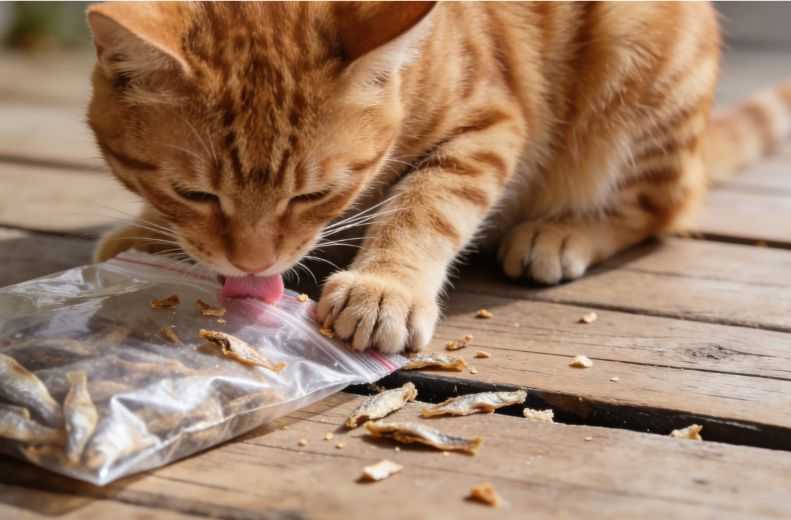
-Coconut meat and coconut water:Fresh coconut meat and coconut milk may cause digestive upset in cats,but small amounts usually do not cause serious harm.Coconut water is high in potassium,which is not safe for cats;while coconut oil may alleviate skin problems in some cats,it is recommended to consult a veterinarian before using coconut oil as a whole-body conditioning method or adding it to a cat's diet.
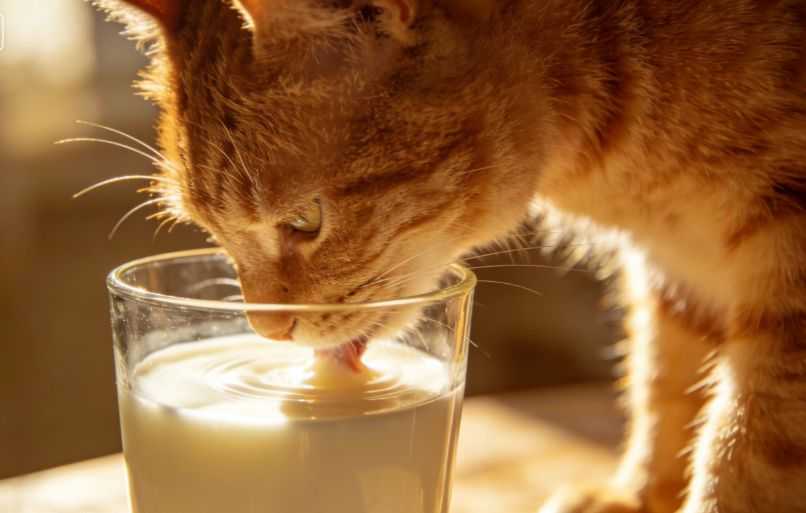
-Dairy products:Feeding cats dairy products may cause digestive problems because most cats are lactose intolerant and cannot properly digest dairy products(such as milk,cheese,and yogurt).The safest approach is to completely avoid feeding cats dairy products.If there is a need to feed them dairy products,consult a veterinarian to confirm whether small amounts can be given as a treat if there are no lactose substitutes available.
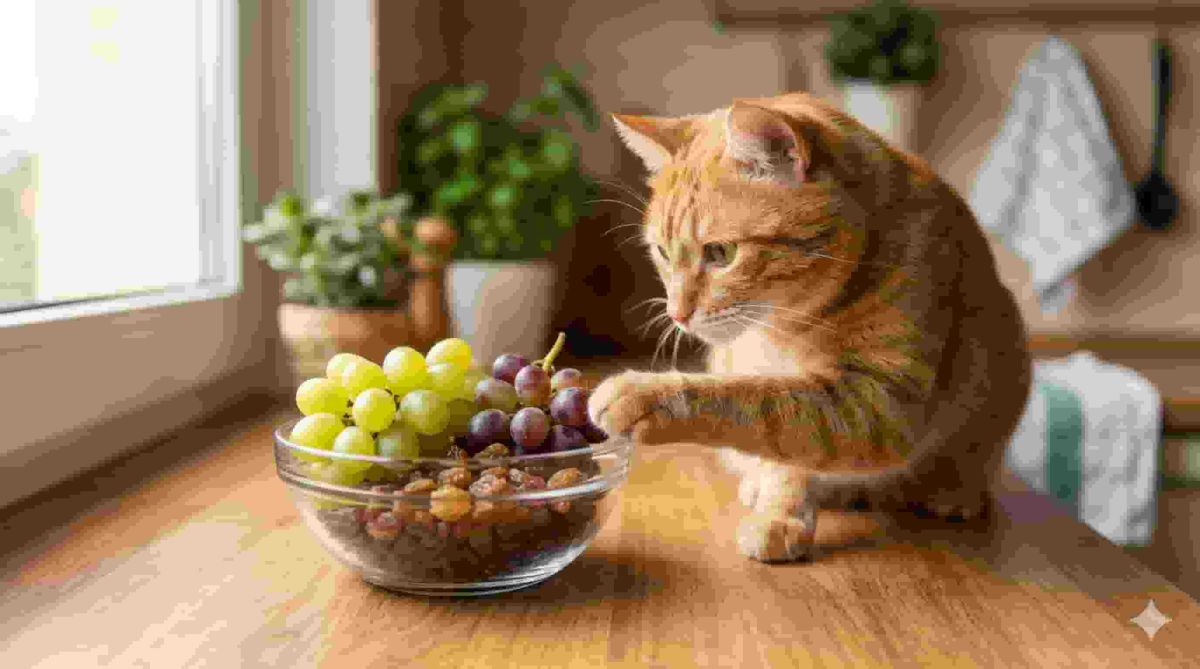
-Grapes and raisins:Although the specific mechanism by which grapes and raisins are toxic to cats(and dogs)is not yet clear,there is sufficient evidence that feeding these foods can lead to kidney failure in cats,therefore they must be strictly avoided.
-Nuts:Macadamia nuts are toxic to cats,and the mechanism of toxicity is similar to that of grapes,although the exact mechanism is not yet clear.Other types of nuts(such as almonds,pecans,and walnuts)are high in oil,which may cause indigestion in cats and,in severe cases,even pancreatitis.
-Raw eggs:Raw eggs may be contaminated with Salmonella,causing symptoms such as vomiting,diarrhea,and fever in cats.Furthermore,raw eggs contain avidin,an enzyme that inhibits the absorption of biotin,a key vitamin for maintaining healthy skin and coat in cats.
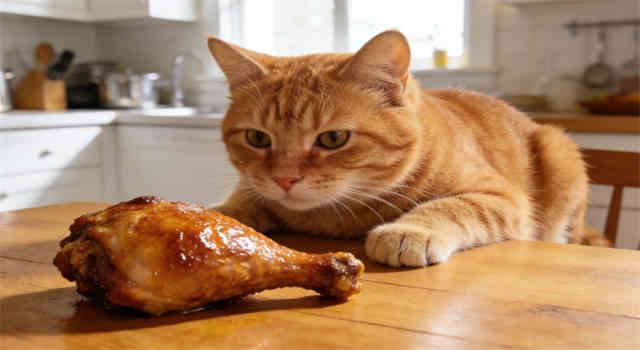
-Raw or undercooked meat:Similar to raw eggs,raw or undercooked meat may carry pathogens such as Salmonella and E.coli,posing a risk of contamination.Clinical Nutrition Services reports frequently finding gastrointestinal symptoms in cats that have consumed raw meat,with diarrhea being the most common.
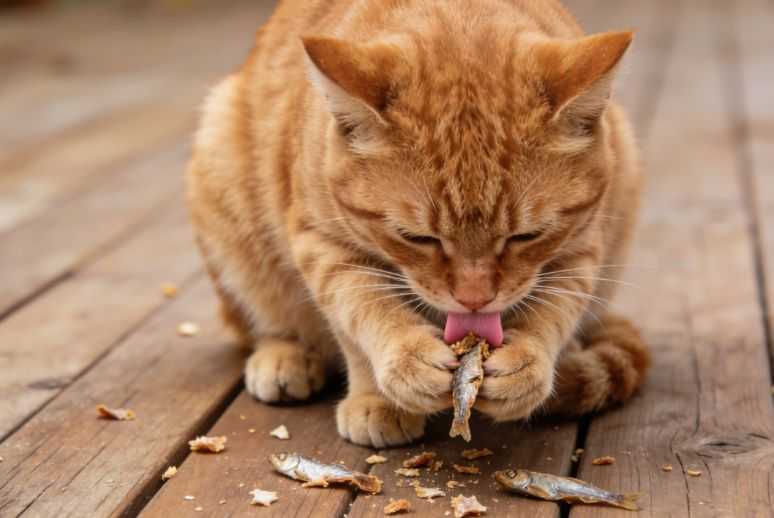
-Raw fish:Like raw meat and raw eggs,raw fish may carry bacteria that cause food poisoning,thus endangering the health of cats.
-Salt:Excessive intake of salt and salty foods can cause symptoms such as vomiting,diarrhea,tremors,and convulsions in cats,and in extreme cases,may lead to death.
-Certain vegetables and herbs:While cats can eat small amounts of some vegetables,onions,garlic,leeks,green onions,scallions,chives,and other similar vegetables and herbs are extremely harmful to cats.They can cause gastrointestinal problems and,in severe cases,damage their red blood cells.Foods containing these vegetables or herbs(such as garlic bread)should be strictly avoided when feeding cats.
-Xylitol:Xylitol is a sweetener commonly found in packaged foods such as chewing gum and candy.It can cause serious symptoms in cats,including vomiting,lethargy,and liver failure.Exposure to xylitol must be strictly prohibited.
What should you do if your cat ingests a toxic substance?
If you suspect your cat has ingested any of the above-mentioned toxic substances,please contact a veterinarian immediately or call the American Society for the Prevention of Cruelty to Animals(ASPCA)Animal Poison Control Center hotline:888-426-4435.Timely intervention can effectively prevent complications and reduce the harm of toxic substances to your cat.
Fortunately,the Clinical Nutrition Service Center reports that cases of feline food poisoning are relatively rare.This is more common in dogs,as they are more inclined to try different foods and are less picky about their food choices.Just as cats often show wariness and anxiety towards new foods,owners should also be cautious when choosing food for their cats.Before adjusting a cat's diet or introducing any new foods or treats,always consult a veterinarian to determine which ingredients are safe and the appropriate dosage.Any questions related to a cat's diet(or treat selection)should be discussed with a veterinarian.