Information
- Home
- health

The formation mechanism of canine bladder stones is as follows:substances originally dissolved in urine precipitate and form crystals.These crystals aggregate and connect,eventually forming one or more stones.
These stones may grow to a large size,unable to pass through the dog's urethra,and thus remain in the bladder,causing related discomfort symptoms.
The treatment plan varies depending on the type of bladder stone.It is particularly important to note that once a dog develops bladder stones,the recurrence rate is high,especially without effective preventative measures.
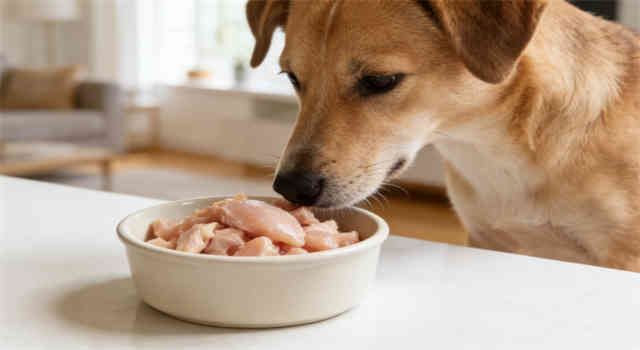
Diet plays a crucial role in the treatment and prevention of bladder stones.The following will detail the feeding of dogs with bladder stones.
I.Feasibility of Treating Bladder Stones with Food
Some types of bladder stones can be dissolved using special prescription foods or medications.When the urinary environment meets suitable conditions,the stones will gradually dissolve and eventually be excreted.
Some types of bladder stones require removal through physical methods such as surgery,extracorporeal shock wave lithotripsy(using sound waves or lasers to break the stones into smaller pieces),and bladder irrigation(inserting a special catheter into the bladder to flush out small stones).
Veterinarians will consider the following factors to develop the optimal treatment plan for a dog's bladder stones:
-The specific type of stone;
-The number and size of the stones;
-The dog's overall health condition.
II.Targeted Treatment Plans Based on Stone Type
The following details the specific removal methods for different types of bladder stones:
(I)Stromboli
Stromboli(also known as magnesium ammonium phosphate stones)are the most common type of bladder stone in dogs and can usually be dissolved through diet or medication.Since the formation of stromboli in dogs is almost always related to bladder bacterial infection,antibiotics are also necessary during treatment.
The time required for stone dissolution varies from person to person,ranging from several weeks to several months,depending on the size of the stone and other related factors.If dissolution is ineffective,surgical or other physical methods may be considered to remove the stone.Diets designed to dissolve struvite should have the following characteristics:
-Reduced protein,magnesium,and phosphorus content;
-Increased salt content;
-Acidic urine(urine pH below normal).
Recommended dietary choices include:
-Royal Canin Adult Urinary Tract Prescription Food SO;
-Hill's Prescription Food S/D or C/D Multicare;
-Purina Pro Plan Urinary Tract Prescription Food Ox/St.
(II)Calcium Oxalate
Calcium oxalate is another common type of bladder stone in dogs.Currently,there is no effective method to dissolve calcium oxalate stones;therefore,they must be removed surgically,via extracorporeal shock wave lithotripsy,or via urinary intubation.
(III)Cystine
Cystine stones are less common in dogs than struvite and calcium oxalate stones and can usually be dissolved through a suitable diet.This type of diet must meet the following requirements:
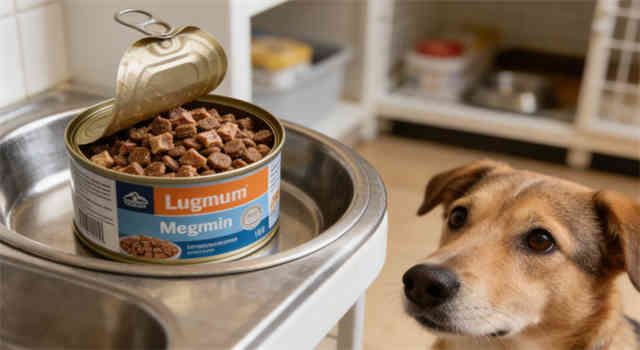
-Low protein content;
-Low sodium content;
-Low cystine and methionine content(which the body can convert into cystine);
-Alkaline urine(urine pH higher than normal).
Veterinarians typically prescribe the following dietary regimen to dissolve cystine stones:
(IV)Purine Stones
Purine stones can be composed of urate or xanthine.Urate stones can be dissolved through diet;some xanthine stones can also be dissolved through diet,but not all of this type of stone are suitable.If diet and medication fail to dissolve the stone,surgical removal is necessary.Diets used to dissolve purine stones must have the following characteristics:
-Reduced protein content,especially reducing the intake of purine-rich proteins(such as fish and animal organs);
-Low sodium content;
-Alkaline urine(urine pH higher than normal).
Dog foods that help dissolve purine stones include:
(V)Calcium Phosphate
Calcium phosphate bladder stones in dogs are relatively rare and usually require surgical removal.
(VI)Silica
Silica bladder stones in dogs are extremely rare and cannot be dissolved by diet or medication.They must be removed surgically,via extracorporeal shock wave lithotripsy,or by urinary flushing.
III.The Preventive Effect of Special Diets on Canine Bladder Stones
Dogs that have previously had bladder stones have a higher risk of recurrence,but the probability of recurrence can be reduced through appropriate preventative measures.Changing dog food is one of the most effective ways to prevent bladder stones because a dog's diet largely determines the composition of its urine.By feeding a special diet,pet owners can reduce the nutrients needed for stone formation in the urine,thereby reducing the risk of stone formation.
(I)Magnesium Ammonium Phosphate Stones
Magnesium ammonium phosphate stones are quite special,and their formation is almost always caused by bacterial infection.Therefore,the key to preventing the recurrence of this type of stone is to focus on preventing bladder infection.
Long-term dietary adjustments are not necessary,but maintaining diluted and slightly acidic urine can help prevent recurrence.Veterinarians may recommend the following diets to help prevent recurrence of magnesium ammonium phosphate stones:
(II)Calcium Oxalate Stones
While dietary adjustments cannot completely eliminate calcium oxalate stones,a therapeutic diet can effectively prevent recurrence.A diet to prevent calcium oxalate stones should contain the following appropriate nutrients:
-Reduce calcium levels;
-Avoid ingredients with high oxalate content;
-Dilute urine;
-Maintain slightly alkaline urine to inhibit the formation of calcium oxalate stones.
Prescription diets meeting the above criteria include:
-Hill's Prescription C/D Multicare;
-Royal Canin Adult Urinary Tract SO Prescription;
-Purina UR Urinary Tract Ox/St Prescription;
-Hill's Prescription W/D Multicare.
(III)Cystine Stones
The dietary parameters used to dissolve cystine stones—low protein(especially reducing the intake of proteins rich in cystine and methionine),low sodium,and promoting alkaline urine—are also applicable to the prevention of this type of stone.The following two diets are recommended:
-Hill's Prescription Food u/d;
-Royal Canin Urinary Tract UC Prescription Food.
(IV)Purine Stones
Prescription foods used to dissolve purine stones also help prevent their recurrence.These prescription foods must meet the requirements of low protein,no high-purine components(such as fish and animal organs),low sodium,and promoting alkaline urine.The following are common dietary recommendations for the prevention of purine stones:
(V)Calcium Phosphate Stones
Currently,there is no ideal diet for preventing calcium phosphate bladder stones,but maintaining diluted and slightly alkaline urine may help prevent their formation.Therefore,veterinarians may recommend certain diets commonly used to prevent calcium oxalate stones,such as:
(VI)Silica Stones
To prevent silica stones,a high-animal-protein diet is generally recommended,while avoiding feeding plants that may be rich in silica(such as corn gluten meal).In addition,increasing the dog's water intake to dilute urine and maintain a slightly alkaline urine pH is also crucial.
The optimal diet plan needs to be determined based on the dog's specific situation,but Hill's prescription Derm Complete or high-quality grain-free canned dog food(with a small amount of water added)is usually a suitable choice.At the same time,dogs should be prevented from eating soil or drinking water sources that may be rich in silica,as these are often associated with volcanic areas.
IV.The Supportive Role of Homemade Dog Food in Dogs with Bladder Stones
Homemade dog food is an unavoidable topic in canine diet management.
Formulating a nutritionally complete and safe homemade dog food for a healthy dogis challenging enough on its own;however,this becomes significantly more difficult for dogs with bladder stones,as their diet needs to meet specific urine requirements.
If pet owners plan to make homemade dog food for a dog with bladder stones,it is essential to consult a veterinarian nutritionist familiar with the dog's condition.Feeding unsuitable homemade dog food may worsen the dog's condition and hinder recovery.
V.Recommended Water Intake for Dogs with Bladder Stones
Maintaining adequate(and even slightly excessive)water intake is crucial for dogs with bladder stones.Dehydration leads to increased urine concentration,significantly increasing the risk of stone formation;conversely,in highly diluted urine(with a higher water content),stone-forming substances remain dissolved,effectively reducing the likelihood of bladder stone formation.
The best way to keep a dog's urine diluted is to feed wet dog food with additional fresh water,while ensuring the dog always has access to fresh,clean water.While it's possible to add water to dry dogfood,a large amount(usually several cups)is needed to achieve the same moisture content as wet canned dog food.This can lead to some dogs consuming too much water and not enough food,thus failing to meet their other nutritional needs.
Measuring a dog's exact water intake can be difficult,and their water requirements vary depending on activity level,ambient temperature,and other factors.A simpler method is to regularly monitor the dog's urine specific gravity(USG).
When dogs are dehydrated,their urine specific gravity increases.Maintaining a dog's urine specific gravity below 1.020 is an effective way to prevent bladder stones.Veterinarians can recommend a refractometer for pet owners to measure their dog's urine specific gravity at home;alternatively,pet owners can bring urine samples to the veterinarian for a quick and inexpensive urine specific gravity test.