Information
- Home
- raise
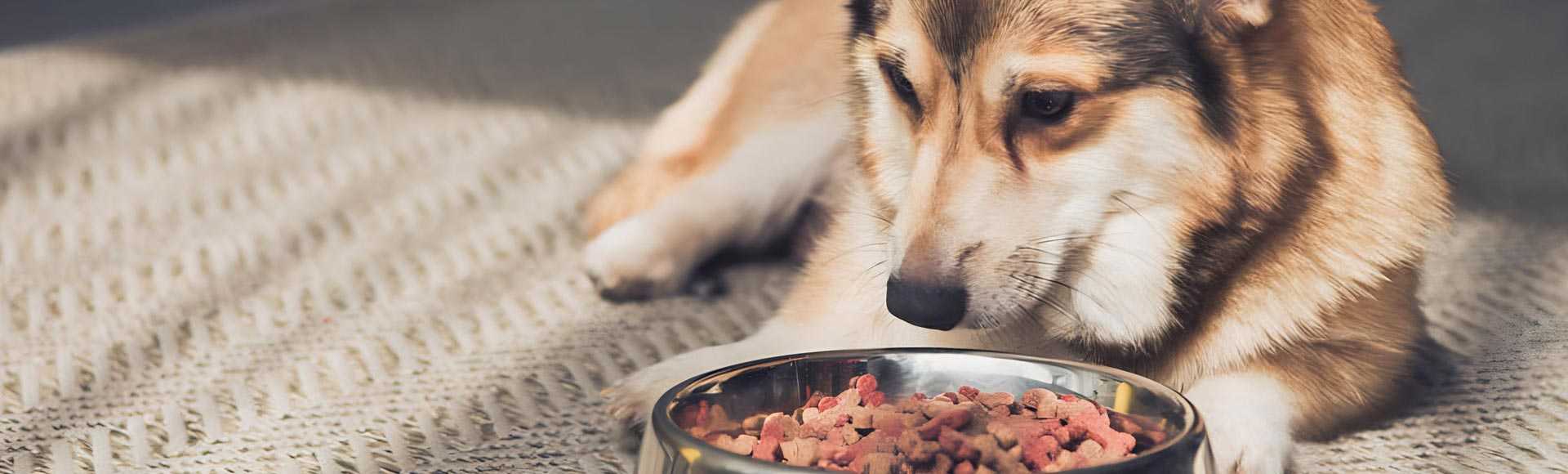
When a dog gets labeled as"problematic,"it’s easy to point fingers at the animal.But according to experts,the root cause is often less about the dog itself and more about a fundamental clash between its innate drives and the demands of contemporary living.
Dr.Nathaniel Rakestraw,a veterinarian affiliated with TelaVets.com,explained to*Newsweek*that many behaviors modern owners find frustrating were actually highly valued in the past."Most breeds were developed for active jobs—herding livestock,standing guard,or chasing down prey—not for spending endless hours cooped up in an apartment,"he noted.Traits like relentless energy,excessive vocalization,or wariness toward strangers might feel like nuisances today,but they are deeply embedded instincts that simply don't align with a mostly sedentary household.
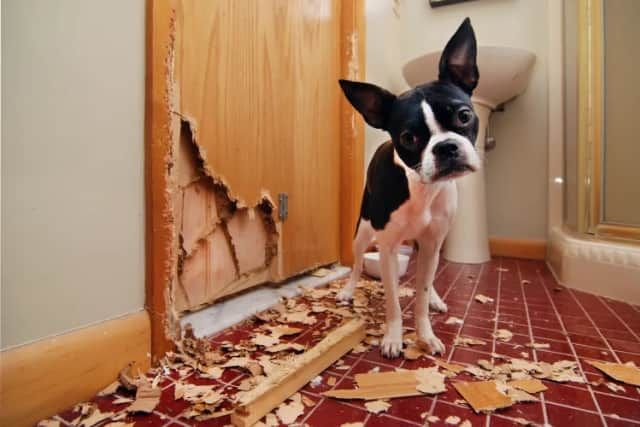
This perspective is reinforced by Deby Cassill,an associate professor and animal behavior researcher at the University of South Florida.She pointed out to*Newsweek*that these so-called"issues"were once advantageous from an evolutionary standpoint.Take herding breeds:they were intentionally bred for sharp attentiveness,stamina,and quick reflexes.In a quiet suburban home,however,those very qualities can manifest as pacing,mouthing,or repetitive behaviors.Similarly,guardian-type dogs often get branded as"tough"when their protective instincts kick in around unfamiliar guests or chaotic settings.According to Cassill,these aren't character flaws—they're simply mismatches shaped by generations of selective breeding.
That said,both specialists agree that genetics aren't the whole story.Rakestraw describes temperament as"a blend of nature and nurture."While breed-specific tendencies—like drive or activity level—do play a role,he stresses that daily environment,training consistency,and life experiences heavily influence how those tendencies actually show up.The very same animal could act completely differently depending on the kind of household it lives in.
Cassill also emphasized that early exposure to new situations,firm and fair training,and a stable home atmosphere often carry more weight than breed alone.She added that highly intelligent dogs are quick learners—but they're equally quick to adopt bad habits if rules aren't enforced consistently.More independent or guarding-oriented breeds may come across as stubborn or reactive,when in reality,they just respond better to a different approach.
Interestingly,a dog's smarts or self-reliance can backfire on unprepared owners.Rakestraw warns that clever canines need mental challenges to stay engaged;otherwise,boredom sets in.Meanwhile,aloof breeds aren't necessarily eager to please,which can frustrate first-time owners.Guardian breeds,for all their devotion,can become overly wary if they aren't introduced to a variety of people and environments early on.
So why does one dog seem impossible in one setting,yet perfectly manageable in another?"It really boils down to compatibility,"Rakestraw said.A high-octane dog that overwhelms a couch-potato owner might flourish with someone who enjoys daily exercise and structured activities.Cassill reinforced this,noting that"bad dogs"are rare—but poor matches between canine nature and human routine are all too common.
Both experts caution against choosing a dog based solely on appearance or popular reputation.Rakestraw pointed out that people often underestimate the day-to-day commitment involved—pointing to breeds marketed as"smart"or"hypoallergenic"that may actually require extensive grooming or constant engagement.Cassill added that relying on breed stereotypes or overlooking the challenges of adolescence are other frequent missteps.
Ultimately,they agree that preparation is key.Realistic expectations,early socialization,and an honest look at one's own schedule and energy levels can mean the difference between constant frustration and a rewarding companionship.As Cassill succinctly put it,the strongest predictor of a harmonious relationship isn't the dog's pedigree—it's how well its behavioral needs fit into the owner's actual way of life.