Information
- Home
- dogs

With Independence Day just around the corner,many households are busy grabbing barbecue essentials,festive sparklers,and patriotic red,white,and blue décor.Yet amid all the hustle,one crucial ritual often gets pushed to the very last moment—getting our four-legged friends ready for the loud celebrations ahead.
Dr.Chris Margrey,who leads veterinary nutrition at JustFoodForDogs,emphasized in an interview with Newsweek that pet owners who start planning early stand a much better chance of keeping their companions calm and secure.According to data from Shelter Animals Count,July 5th consistently marks the highest annual intake of stray or surrendered dogs at U.S.animal shelters.
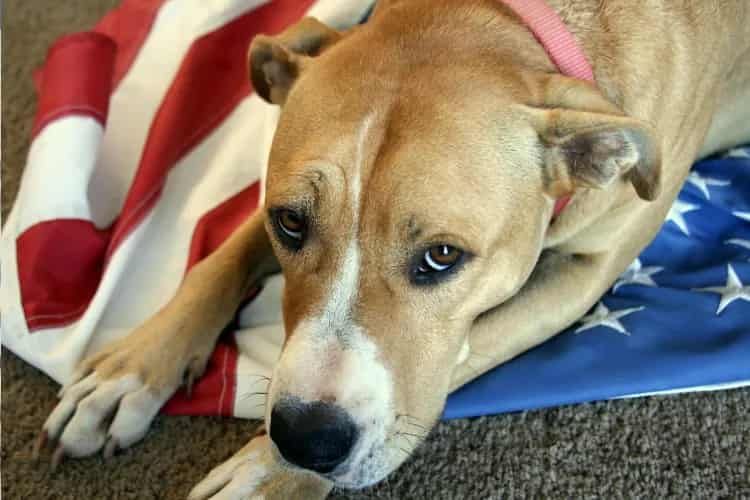
Given that dogs possess significantly sharper hearing than humans,the blasts of fireworks can be especially distressing.Margrey describes these displays as a"triple threat"for dogs—they're jarringly noisy,entirely unpredictable,and completely beyond a dog's ability to comprehend.
Below,Margrey highlights three frequent errors he observes around the Fourth of July holiday,along with straightforward steps that can lower anxiety levels and boost safety for furry family members.
**Delaying Action Until the Explosions Start**
The most common pitfall,Margrey notes,is waiting until the booming begins to figure out how to soothe a nervous pup.Instead,he urges pet parents to consult their veterinarian well before the holiday arrives,crafting a personalized strategy that suits their dog's specific temperament.This might involve setting up a quiet hiding spot,modifying the home environment,practicing calming routines,or determining whether nutritional supplements or prescribed anti-anxiety meds could help.
"Don't hold off until your dog is already shaking or hiding,"he advises."Map out your approach ahead of time.A little foresight goes a long way,and your dog will feel the difference."He also adds that it's wise to consider a dog's day-to-day stress baseline,not just its holiday reactions.
2.**Overlooking Subtle Stress Signals**
A second frequent oversight is missing the initial,gentler cues of unease.While most owners readily spot clear signs like barking,whining,trembling,or retreating to a corner,Margrey points out that dogs often broadcast their anxiety in quieter ways first—heavy breathing,restless pacing,shadowing your every step,or turning down their go-to snacks and toys.
Failing to catch these early hints can allow fear to snowball into full-blown panic,which dramatically raises the odds of escape attempts.A terrified dog can become remarkably resourceful,wriggling out of collars,pulling free from leashes,charging through open doors,or vaulting over fences in a frantic bid to get away.
"Allowing stress to go unaddressed only adds to your dog's misery—and that's the last thing any caring owner wants,"Margrey says.
3.**Assuming Past Calmness Guarantees Future Calmness**
Just because a dog stayed unfazed during previous Independence Day festivities doesn't mean they'll react the same way this time around,Margrey warns.Sensitivity to loud sounds can emerge or intensify with age and experience,so a pup that once seemed indifferent to firecrackers might suddenly become fearful or reactive.Owners should never take a laid-back history as a pass for complacency.
"Repeated exposure doesn't automatically breed familiarity or comfort,"he explains."In fact,for some dogs,it can actually heighten their anxiety over time."