Information
- Home
- dogs
You might be about to enjoy a delicious grilled rib,but afterward,is it okay to feed the leftover ribs to your dog as a treat?
While the meat itself of cooked pork or beef ribs is not toxic to dogs,the rib bones pose a significant safety hazard.Dogs chewing on ribs significantly increase their risk of choking and serious digestive problems,including sharp bone fragments piercing the digestive tract lining.Veterinarian Renee Schmid,a veterinary toxicologist working for a pet poisoning hotline,explicitly advises against letting dogs chew on any kind of bone.
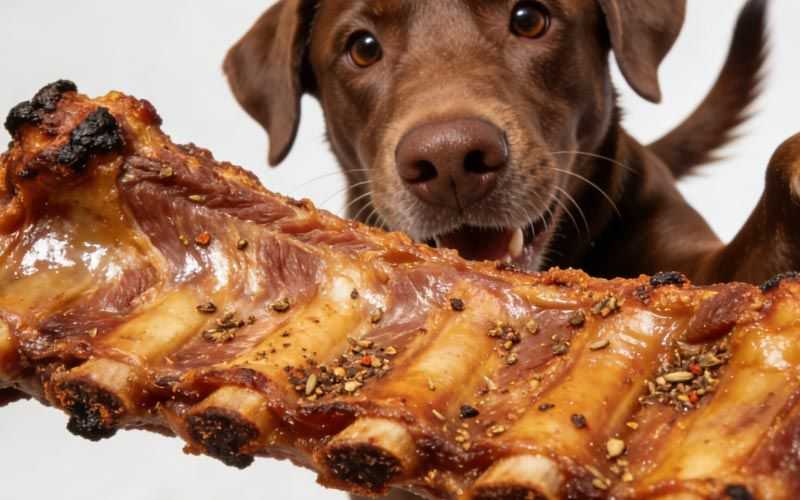
Here are the specific reasons:
Can dogs eat ribs?Risk analysis of different preparation methods
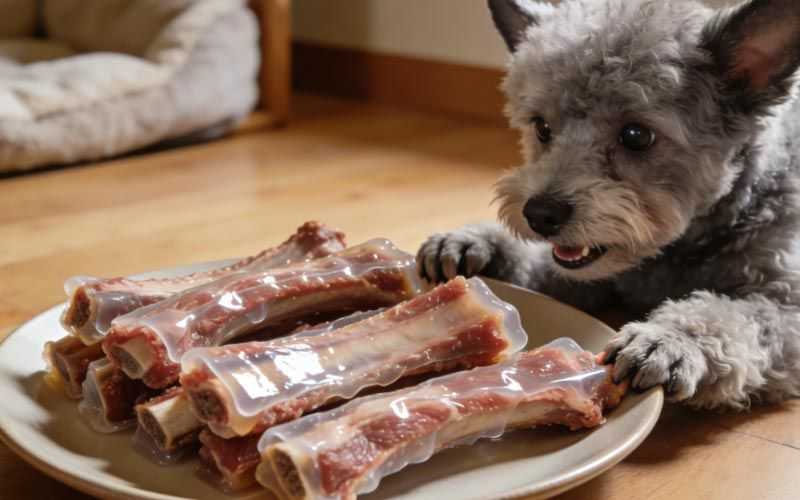
Raw ribs:Multiple hidden health risks
Cooking breaks down the tough tissues in meat and kills harmful bacteria,making it easier to digest and absorb.While dogs'ancestors did eat raw meat and bones,in today's domesticated environment,if a dog chokes on a bone,immediate veterinary attention is usually required.
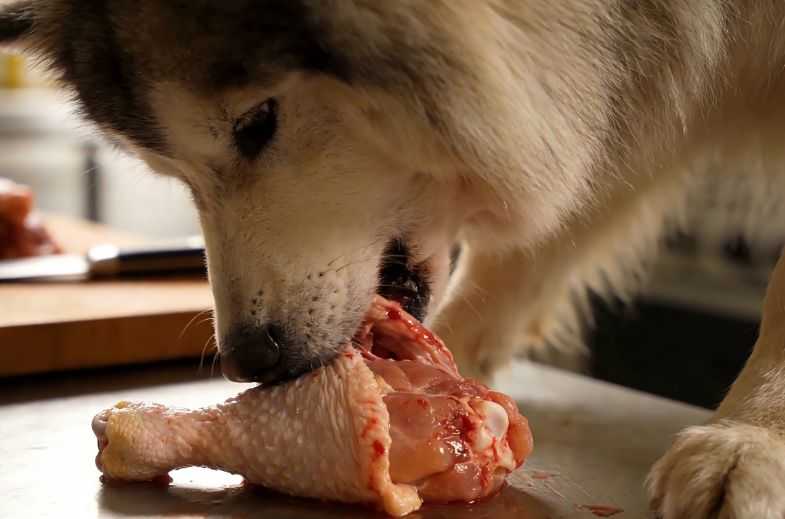
“Raw meat can cause food poisoning due to bacterial growth,which not only harms pets but also poses a risk to humans handling it,”Schmid points out.“In addition,raw pork can transmit a nematode called Trichinella spiralis,a pathogen that can cause trichinosis in humans or pets.”The dangers are self-evident.
Compared to cooked ribs,raw ribs are less likely to be chewed into small,dangerous pieces by dogs,thus reducing the chance of them getting stuck in the digestive tract.However,most veterinarians still recommend that dogs never be allowed to chew on raw ribs unless under constant close supervision.Even with supervision,it cannot be completely guaranteed that a dog will not accidentally chew and swallow bones.
Cooked Ribs:Higher Risk Level
Cooked ribs are far more dangerous than raw beef or pork ribs because high-temperature cooking causes the bones to lose moisture and become brittle,making them more prone to breaking into sharp fragments.
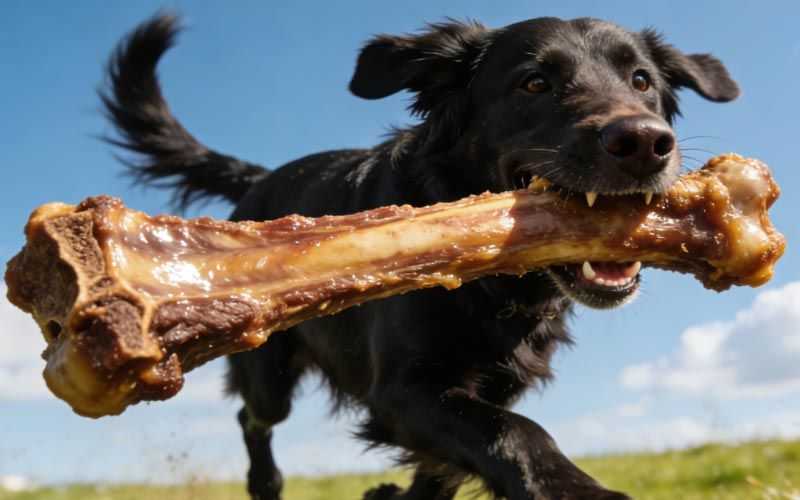
“Whether raw or cooked,these types of bones can cause foreign body obstruction in a pet's digestive tract,sometimes requiring surgery to remove,”Dr.Schmid emphasized.“Fragments of bone can also puncture the intestines,causing sepsis and ultimately leading to the pet's death.”Cooked Ribs:Strict Control of Feeding Conditions While cooked beef or pork itself is not toxic to dogs,the various seasonings and additives added during cooking can easily cause gastrointestinal upset.Excessive salt and fat can lead to weight gain and even induce pancreatitis,resulting in symptoms such as vomiting and diarrhea.Dr.Schmid recommends that if feeding ribs,choose lean meat without any additives and only give them as occasional small treats.
“Both onions and garlic are toxic to dogs,”she added.“However,the amounts of these ingredients in everyday seasonings are usually low,generally not enough to cause poisoning.”Risks and Responses for Dogs Ingesting Ribs
You may have tried your best to prevent your dog from accessing greasy,heavily seasoned ribs(which is excellent!),but unexpectedly,your furry friend may still steal bones from the trash can or food bowl.Should you worry in this situation?If your dog has a habit of rummaging through kitchen counters or trash cans for food and has already eaten grilled ribs,you need to be aware of the following issues.
Choking Risk:This is the most direct and urgent danger.Schmid stated that the symptoms of choking in dogs are very obvious and dangerous,requiring immediate emergency room treatment:“The dog will exhibit severe coughing,and in severe cases,may fall into a coma due to lack of oxygen.”
Gastrointestinal Complications:If the bone is stuck in the dog's esophagus(i.e.,anywhere from the throat to the stomach),the dog may experience increased drooling,frequent coughing,rubbing its head and neck on the ground,and even vomiting.If your dog exhibits persistent vomiting,lethargy,abdominal pain,bloody stools,or other signs of esophageal obstruction,it must be taken to a veterinary clinic immediately.
Schmidt specifically reminds owners that even if a dog swallows a bone or bone fragment and shows no immediate signs of discomfort,they should contact a veterinary clinic as soon as possible:"We can use an X-ray to determine if the bone will pass naturally in the feces and assess whether induced vomiting is necessary to remove the bone."Safer Rib Alternatives
If you've decided to stop letting your dog chew on animal bones,don't worry;it doesn't mean your dog will lose the joy of chewing.Many safer alternatives are available that satisfy your dog's chewing needs while avoiding health risks.
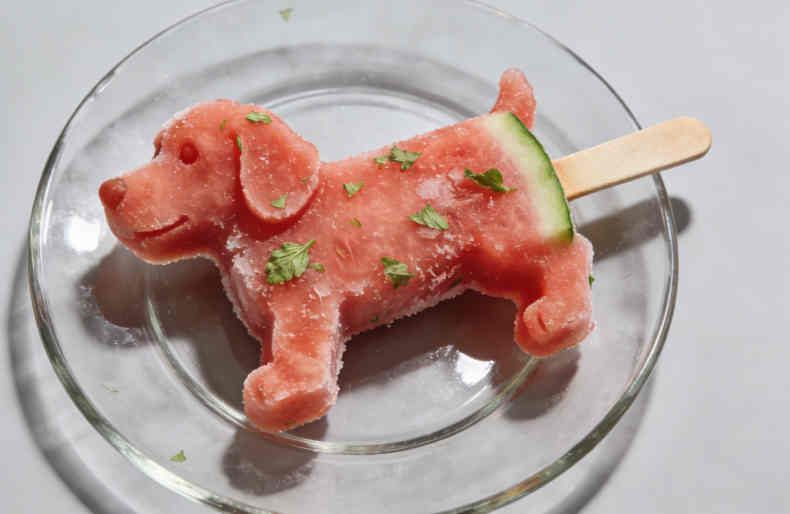
Try filling durable chew toys with delicious frozen treats.This allows your dog to chew and lick them for extended periods,adding to the fun.Additionally,there are specially formulated chewable dental bones available that provide both enjoyment and teeth cleaning benefits during chewing.