Information
- Home
- dogs
A legislative effort to lock the clocks and eliminate seasonal time changes has cleared the House and now awaits action in the Senate,but if enacted,the shift could send ripples through more than just human routines—it may also upend the daily habits of household pets.
Introduced as the Sunshine Protection Act,the measure seeks to abolish the biannual time adjustment and establish year-round daylight saving time across the U.S.Under the plan,most states would no longer revert to standard time in the autumn,as previously detailed by Newsweek.Regions currently observing Eastern,Central,Mountain,and Pacific time would retain their respective daylight designations throughout the entire calendar year.
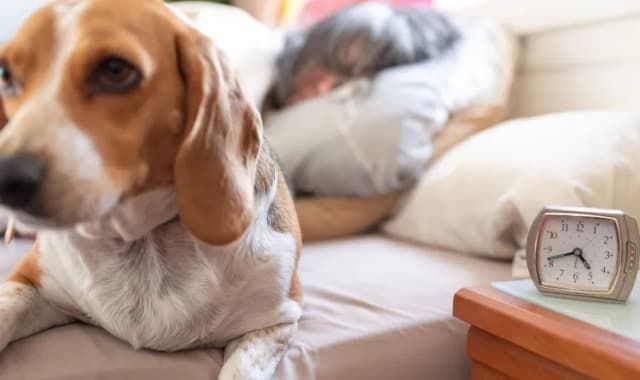
Although many Americans might welcome an end to the semiannual clock-tinkering,the adjustment period could be a bit jarring for four-legged family members,who may need several days to realign their internal rhythms with their owners'newly adjusted schedules.
“Dogs and cats aren’t really checking watches—they’re reading the consistency of their environment,”explained Dr.Karen“Doc”Halligan,a veterinarian,in an interview with Newsweek.“They flourish on predictability.Any abrupt shake-up in mealtimes,walk schedules,medication dosing,or bedtime can briefly knock them off balance.”
**Pets Live by Rituals,Not by Hours**
Like humans,dogs and cats are governed by internal biological rhythms—circadian cycles that influence sleep-wake patterns,appetite,activity levels,and more.Halligan notes that permanent daylight time itself isn't inherently detrimental to animals.Rather,the temporary turbulence caused by a possible final time switch could momentarily disorient them as their owners adapt.
Take,for example,a dog accustomed to breakfast right at 7:00 AM.Even if the household timetable moves forward,that canine will likely show up expectantly at the usual moment.Similarly,a cat used to an evening meal at a fixed hour may react to a delayed dinner with increased meowing,persistent pawing,or heightened restlessness.
“People often forget about felines in these discussions,”Halligan added.“Everyone thinks about dogs first,but cats are every bit as regimented in their expectations.”
During the transition,some pets might rouse their owners before the alarm,exhibit nighttime agitation,or require additional trips outside.While most healthy animals bounce back within a matter of days,certain individuals may take longer to recalibrate.
**Who’s Most at Risk from the Change?**
Certain animals are inherently more susceptible to disruptions in their daily schedules—particularly those reliant on strong routine or managing underlying medical conditions.
Halligan advises pet owners to be especially attentive to:
-Aging dogs and cats
-Young puppies and kittens
-Anxious or high-strung pets
-Animals with cognitive decline,sometimes likened to dementia in pets
-Extremely habit-driven animals
-Pets on strict timed medication regimens
-Diabetic animals requiring insulin injections
For pets with rigid therapeutic schedules,even an hour’s shift can demand thoughtful coordination.
“Rather than making an abrupt one-hour jump,medication timing should be eased into gradually and in consultation with a veterinarian,”Halligan advised.
**Longer Evenings,Shifting Walk Times**
Should the Sunshine Protection Act take effect—potentially as early as December 1—many dog owners may find themselves adjusting the timing of their daily outings.
Extended evening daylight could prompt some to delay walks until later in the day to sidestep peak heat.However,during the summer months,this could inadvertently expose pets to warm conditions at higher-risk hours,elevating the danger of heat-related complications.
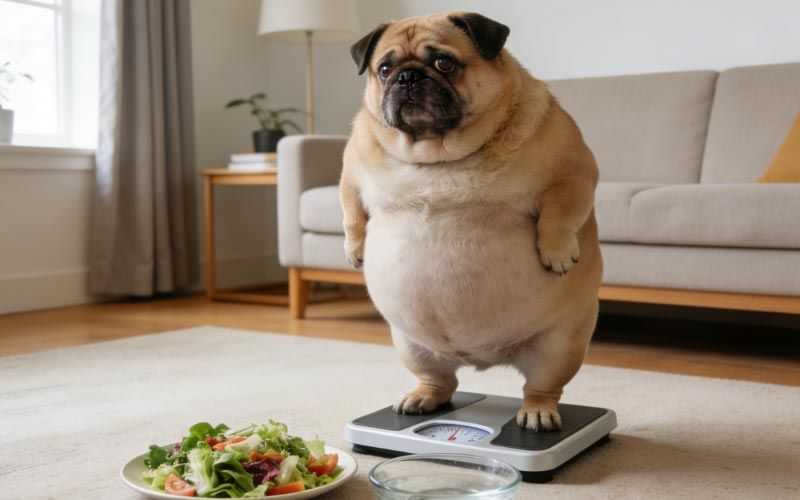
Brachycephalic breeds—including bulldogs,French bulldogs,and pugs—are especially vulnerable due to their inherent difficulties with thermoregulation,as are overweight or senior animals.
Conversely,darker mornings in certain seasons might push walkers to head out before sunrise,raising new concerns around visibility and traffic safety.