Information
- Home
- health

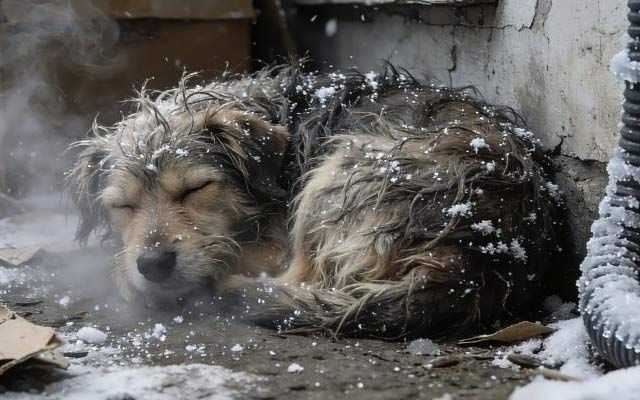
Canine hypothermia refers to a pathological condition in dogs where their body temperature drops below the normal range.Without timely medical intervention,it can rapidly become life-threatening.Early recognition of symptoms and prompt treatment are crucial to saving the life of affected dogs.
Canine hypothermia does not only occur in extremely cold winters.Infections,injuries,post-anesthesia care,prolonged exposure to damp environments,or strong winds can all trigger the condition.Therefore,understanding the dangers of hypothermia to dogs and how to manage it scientifically is of great importance.
Key Points
-Canine hypothermia is defined as a body temperature below 37.0-37.2 degrees Celsius.Delayed treatment can rapidly become life-threatening.
-Typical symptoms include shivering,lethargy,fainting,and slowed heart rate;cold environments,post-anesthesia care,and infections are common triggers.
-Cold weather,anesthesia,infections,injuries,and advanced age significantly increase the risk of disease in dogs.
-Gradual rewarming and professional veterinary care are the core treatment principles—do not use direct heat sources such as heating pads,and seek immediate veterinary attention.
Can dogs suffer from hypothermia?
Yes,dogs can suffer from hypothermia.This condition specifically refers to a dog's body temperature dropping to a dangerously low level,and only a drastic drop in temperature poses a threat to the dog's health.It's important to note that simply feeling cold and having hypothermia are two different things.
A dog's average body temperature is higher than a human's,usually maintained at around 101.5 degrees Fahrenheit(fluctuating between 100.5 and 102.5 degrees Fahrenheit).When a dog's body temperature drops to 98-99 degrees Fahrenheit,symptoms of hypothermia often appear.
Clinical Manifestations of Canine Hypothermia
In the early stages of the disease,the dog's body regulates itself by constricting blood vessels on the skin's surface,pumping blood from the skin,limbs,ears,and paw pads to vital organs such as the brain and heart to maintain their function.
As the condition worsens,the symptoms observable by the pet owner will gradually deteriorate,including:
-Shivering to maintain body temperature;
-Muscle stiffness;
-Lethargy and drowsiness;
-Difficulty walking and disorientation;
-Pale gums and cold ears,limbs,and paw pads.
If the dog's body temperature continues to drop,the following serious symptoms may appear:
-Shivering stops due to depletion of cellular energy reserves;
-Collapse and loss of consciousness;
-Fixed and dilated pupils;
-Slowed and irregular heart and respiratory rates;
-Ultimately,death.
Causes of Hypothermia in Dogs
Dogs experience physiological fluctuations in body temperature,and some breeds(such as Huskies)have thick coats that make them more resistant to cold.Therefore,the causes of hypothermia are diverse.Cold environments,anesthesia/surgery,underlying infections,and advanced age are common contributing factors.
Cold Environment Factors
Prolonged exposure to cold environments,especially temperatures below 32 degrees Fahrenheit(0 degrees Celsius),can easily lead to hypothermia in dogs.When cold weather is combined with wind chill,or in damp environments such as sleet,the rate of heat loss in dogs is significantly accelerated.Dogs primarily lose heat through the skin,such as from contact with cold surfaces like snow,or through heat conduction into the air.
Anesthesia/Surgery Factors
Veterinarians take specific measures to prevent and manage hypothermia during anesthesia and surgery.Anesthesia and surgical procedures increase heat loss in dogs through the skin and respiratory tract,while inhibiting the body's normal thermoregulation.In addition,the following aspects of surgery can exacerbate heat loss:
-Shaving of the surgical area;
-Cleaning of the skin with a cold disinfectant;
-Placing the dog on a cold operating table;
-Infusion of hypothermic intravenous fluids;
-Exposure of internal organs to air.
Illness or Trauma Factors
Dogs that are ill or injured are at higher risk of hypothermia.Several health problems can directly lead to increased heat loss or impaired thermoregulation,including:kidney disease,heart failure,diabetes,poisoning,and traumatic bleeding.
Diagnosis of Canine Hypothermia
Veterinarians primarily diagnose hypothermia based on the dog's body temperature,with rectal thermometry providing the most accurate reading.If a dog's rectal temperature is below 98-99 degrees Fahrenheit(37.0-37.2 degrees Celsius),hypothermia can be diagnosed,and immediate treatment is necessary.
Treatment Plan for Canine Hypothermia
The core goal of treating canine hypothermia is gradual rewarming,adhering to the principle of"gentle rewarming,avoiding overheating."The use of direct heat sources such as electric blankets is strictly prohibited,as these can cause burns to the dog's skin or lead to excessive blood flow to the skin,potentially inducing shock.
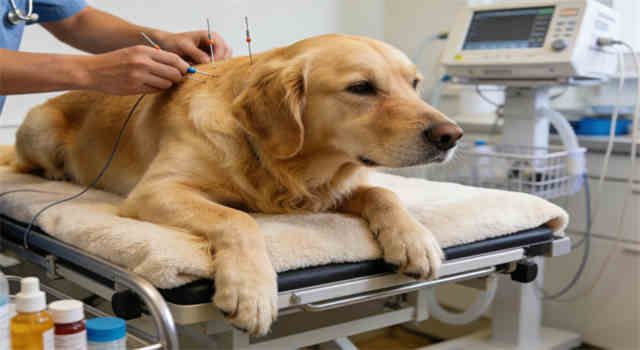
If hypothermia is suspected,the dog should be taken to a veterinary clinic immediately.Upon arrival,the veterinarian will implement more aggressive rewarming measures,including intravenous fluid resuscitation(which can be administered intraperitoneally,through the stomach,or colon)and providing warm,humidified oxygen for assisted breathing.
The veterinary team will closely monitor the dog's temperature,heart rate and rhythm,blood oxygen saturation,and blood test results,and promptly address any complications.If hypothermia is caused by an underlying medical condition or injury,targeted treatment for the primary disease is necessary.
Emergency Warming Methods for Dogs with Hypothermia
If you notice your dog exhibiting symptoms of hypothermia,follow these steps to keep it warm and take it to a veterinarian as soon as possible:
1.Immediately move the dog to a warm indoor space or vehicle,removing it from the cold environment;
2.Wrap the dog in a blanket,towel,or pet-specific coat.If possible,warm the blanket using a radiator,dryer,or a hairdryer on a low setting(avoid blowing directly on the dog);
3.Place a bottle of warm water next to the dog,ensuring multiple layers of fabric are placed between the bottle and the dog's skin to prevent burns;
4.Take the dog to the nearest veterinary clinic immediately for professional treatment.
Prognosis and Follow-up Management of Canine Hypothermia
Dogs with mild to moderate hypothermia usually have a good prognosis and recover well if they receive timely and proper treatment.Severe hypothermia has a poor prognosis,but some dogs in a coma may still be saved because the low temperature reduces the body's cellular oxygen and energy requirements.
Since it's impossible to predict a dog's reaction after rewarming,regardless of the severity of symptoms,it's crucial to take it to a veterinary clinic as soon as possible.Do not delay treatment yourself.

Frequently Asked Questions
What are the diagnostic criteria for hypothermia in dogs?
The normal body temperature range for dogs is 38.3-39.6 degrees Celsius(101-102.5 degrees Fahrenheit).A body temperature below 37.2 degrees Celsius(99 degrees Fahrenheit)is considered hypothermia,requiring immediate veterinary attention.
Can hypothermia lead to death in dogs?
Yes.If hypothermia is not treated promptly,the condition can deteriorate rapidly,leading to fatal complications such as organ failure and ultimately death.
What is the likelihood of a dog recovering from hypothermia?
Most dogs recover from hypothermia,especially if symptoms are detected early and treated promptly.Recovery success depends largely on the severity of the hypothermia,the duration of exposure,and the dog's overall health.If you suspect your pet is ill,contact a veterinarian immediately for professional intervention.