Information
- Home
- health

Adverse food reactions(AFRs)in dogs refer to abnormal physiological responses to"normal"foods.
Canine AFRs are mainly divided into two categories:food allergies(involving the immune system)and food intolerances(not involving the immune system).
Although the causes of these two conditions differ fundamentally,their clinical symptoms are often similar,their diagnostic methods are largely consistent,and their treatment principles are usually the same—both centered on dietary adjustments,such as switching to a hydrolyzed protein diet.
I.Definition and Related Characteristics of Canine Food Allergies
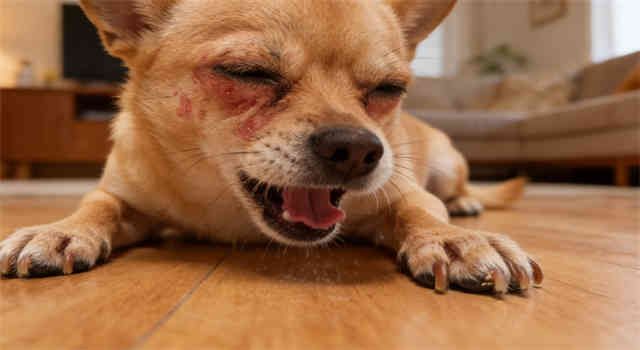
Food allergies refer to an immune-mediated response in dogs to specific components(i.e.,sensitizing components)in food.This type of immune response usually does not appear immediately after the first exposure to a certain food,but rather accumulates over a period of time before manifesting corresponding symptoms.
The most common sensitizing component in canine food is protein,with common sources including proteins in chicken,beef,and dairy products.
When a dog with a food allergy is exposed to a specific sensitizing food,its immune system recognizes the protein in that food as a foreign substance and initiates an immune attack mechanism.
This immune response typically triggers skin-related symptoms such as itching,redness,and swelling,and in some cases,gastrointestinal symptoms such as vomiting,diarrhea,and bloating.
Compared to environmental allergies(such as seasonal allergies or flea/tick allergies),canine food allergies are less common;statistics show that only 0.2%of dogs are affected by food allergies.
II.Definition and Related Characteristics of Canine Food Intolerance
Food intolerance is not related to the immune system,and its onset can occur at any time,whether it's the first exposure to a certain food or long-term,continuous exposure.
In cases of food intolerance,the sensitizing component can be either a protein or other food component;lactose intolerance in humans is a typical example.
Another key difference between food allergies and food intolerances is that dogs with food intolerances may not show abnormal reactions upon exposure to small amounts of the relevant sensitizing food;however,true food allergies can trigger allergic symptoms even upon exposure to trace amounts of the sensitizing component.
III.Clinical Symptoms of Canine Food Allergies and Food Intolerances
The clinical symptoms of canine food allergies and food intolerances are highly similar,mainly covering multiple systems including the skin and gastrointestinal tract,as follows:
(I)Skin Symptoms(Can occur in both food allergies and intolerances)
-Itching and/or redness of the skin;
-Frequent ear or skin infections;
-Hair loss;
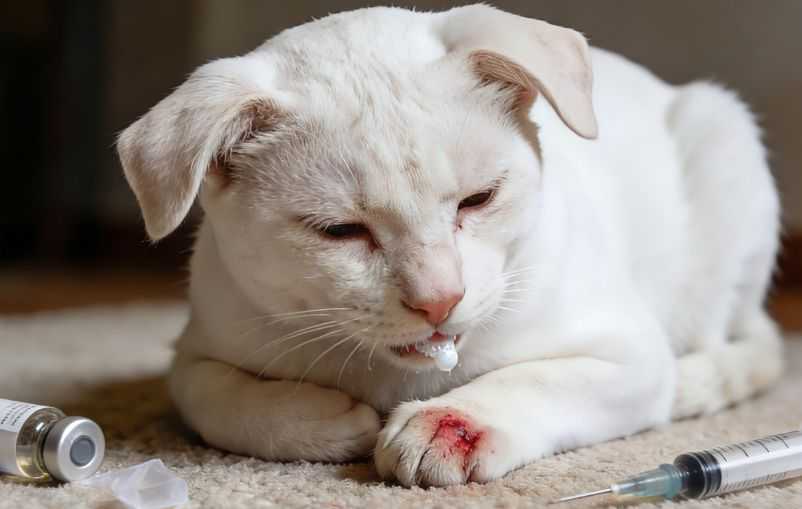
-Licking or biting of paws(Veterinarians usually check the base of the paws for brown stains to aid in diagnosis).
(II)Gastrointestinal Symptoms(Can occur in both food allergies and intolerances)
-Diarrhea;
-Vomiting;
-Abdominal bloating;
-Weight loss;
-Lethargy(sleepiness).
(III)Anaphylactic Shock(Rare,only seen in food allergies)
-Urticaria;
-Facial swelling.
IV.Causes of Canine Food Allergies and Intolerances
Canine food allergies and intolerances may be related to genetic factors,but the exact reasons why some dogs develop these symptoms while others do not are not fully understood by the academic community.
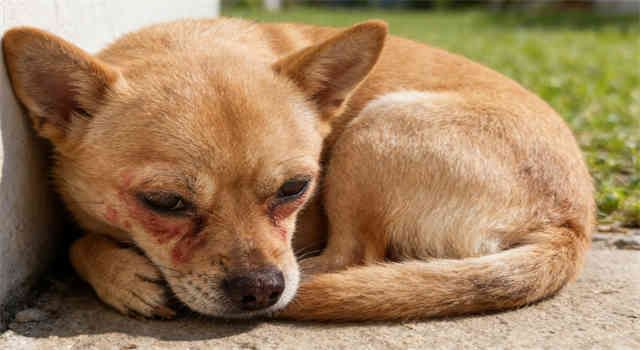
Symptoms of canine food allergies and intolerances may appear in puppyhood or adulthood.
While any breed and age of dog can develop food allergies and intolerances,some breeds are at relatively higher risk,such as Labrador Retrievers,West Highland White Terriers,and Cocker Spaniels.
Many food components are associated with canine food allergies/intolerances,with protein being the most common sensitizing component.Common allergenic foods include:chicken,beef,dairy products,wheat,soy,and eggs.
V.Diagnostic Methods for Canine Food Allergies and Intolerances
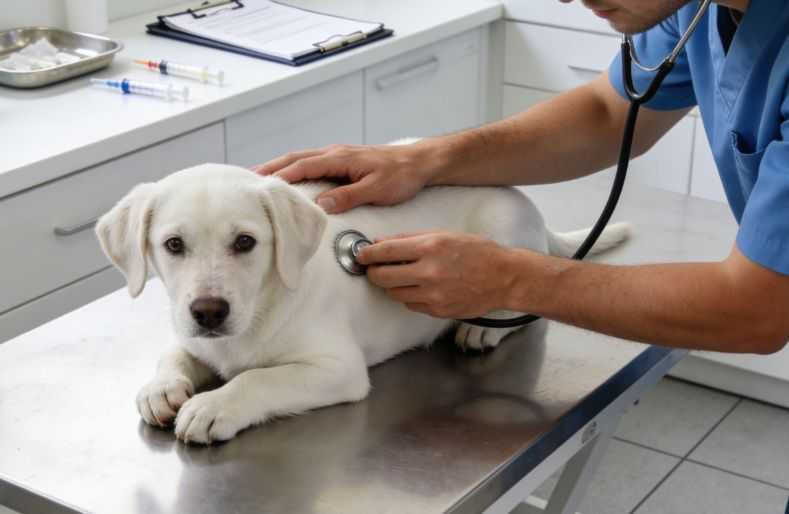
Currently,there is no specific testing method for canine food allergies,and the reliability of existing blood tests is also relatively low.Generally,the diagnosis of canine food allergies and intolerances is based primarily on physical examination,clinical symptoms,and the results of food testing.Veterinarians typically recommend food trials for dogs,usually lasting 8 to 12 weeks,and must strictly adhere to the veterinarian's instructions.It is crucial to avoid feeding dogs any treats or other unrelated foods during the trial period to prevent interference with the accuracy of the results.
During the trial,it is recommended to consult a veterinarian to select suitable heartworm and flea/tick prevention products for your dog,as many of these products add beef or chicken protein to enhance flavor,which may affect the trial results.
Specific methods for food trials mainly include the following:
-Prescription hydrolyzed protein diets:These diets break down proteins into small molecules,preventing them from binding to immune system receptors and thus avoiding immune responses;
-Novel protein/carbohydrate source diets:These diets use specific protein or carbohydrate sources and have a single composition,thus reducing the probability of allergic reactions;
-Skin care diets:These products contain bioactive ingredients and phytonutrients to minimize abnormal immune system responses.
Food testing is currently the best method for diagnosing canine food allergies and intolerances.While other diagnostic tests exist,their accuracy remains controversial.
VI.Treatment Plans for Canine Food Allergies and Intolerances
The vast majority of canine food allergies and intolerances can be effectively controlled through proper dietary adjustments.
(I)Suitable Dietary Plans for Dogs with Food Allergies

Various dietary plans are available to control food allergy symptoms in dogs.Because each dog's allergy situation is individualized,there is no single"best dietary plan."An ideal dietary plan should meet two core conditions:first,it should not contain the dog's allergenic ingredients;second,it should be nutritionally balanced,with a formula that meets the dog's optimal health needs.
Generally,dietary plans for food allergies are therapeutic diets and require veterinary approval before use.This is crucial to ensure that the ingredients in the diet are entirely new to the dog,avoiding recurrence of allergic reactions.
The production of such therapeutic diets typically follows strict procedures to prevent cross-contamination,as even trace amounts of allergens can trigger allergic symptoms in dogs.
Blue Buffalo™is one of the brands offering this type of therapeutic diet.Its products require veterinary approval before purchase and mainly include:
-Blue Natural Veterinary Diet™HF Dog Food:This dog food is formulated with high-quality hydrolyzed salmon.The protein has been broken down into extremely small molecules,making it almost undetectable by the dog's immune system and effectively preventing allergic reactions.
-Blue Label Natural Veterinary Prescription Food NP:This dog food uses a novel protein—crocodile meat—as its main ingredient and is suitable for dogs allergic to poultry,red meat,and other animal proteins.
(II)Dietary Plans Suitable for Dogs with Food Intolerances
Since food intolerances are not related to the immune system,they can usually be controlled through over-the-counter,single-ingredient diets.These diets typically contain only one protein source and one carbohydrate source.As long as a formula that is tolerable to the dog is found,food intolerance symptoms can be effectively controlled.
Recommended products include:
-Blue Label Basic™Salmon&Potato Skin&Gastrointestinal Care Dog Food:This dog food has a single-ingredient formula and moderate protein content,designed for dogs with food sensitivities/intolerances.Its main ingredient is boneless salmon,and it contains no chicken(or other poultry)or by-products,no corn,wheat,or soy,and no artificial flavors or preservatives.
-Blue Label Basics Duck&Potato Skin&Gastrointestinal Care Dog Food:This dog food is also a single-protein,streamlined product.While grains are generally an important part of a dog's diet,this dog food offers a grain-free and gluten-free option for dogs whose veterinarians recommend avoiding grains and gluten.
-Blue Label True Solutions™Perfect Skin&Coat Care Dog Food:This dog food is a single-protein,streamlined product,clinically proven to help maintain healthy skin and a shiny coat in dogs.Its main ingredient is real salmon,and it is the only animal protein source.
(III)Antihistamines and Nutritional Supplements
Dogs with food allergies often also have environmental allergies.In addition to dietary adjustments,antihistamines may be necessary,such as Apoquel®(Oratinib),Cytopoint®(canine monoclonal antibody),antihistamines,or steroids.
Some nutritional supplements can also benefit allergic dogs.These supplements often contain omega fatty acids,which can enhance the skin's natural barrier function.Examples include:
-Nutramax®Welactin®(Nutramex®fish oil supplement);
-Dechra®EicosaDerm®(Dehra®skin supplement).
VII.Recovery and Long-Term Management of Canine Food Allergies and Intolerances
Canine food allergies and intolerances cannot currently be completely cured,but long-term effective control can be achieved through scientific dietary therapy and strict avoidance of allergenic ingredients.
If a dog has a food allergy or intolerance,it is essential to strictly follow the veterinarian's specific guidelines regarding diet and treats to avoid symptom recurrence due to improper diet.
If a dog is undergoing a food trial,it typically takes 8 to 12 weeks to observe improvement in symptoms.A reduction in abnormal behaviors such as licking and biting may appear within the first 4 weeks of the trial,but some dogs may require up to 12 weeks to see significant symptom relief.