Information
- Home
- others
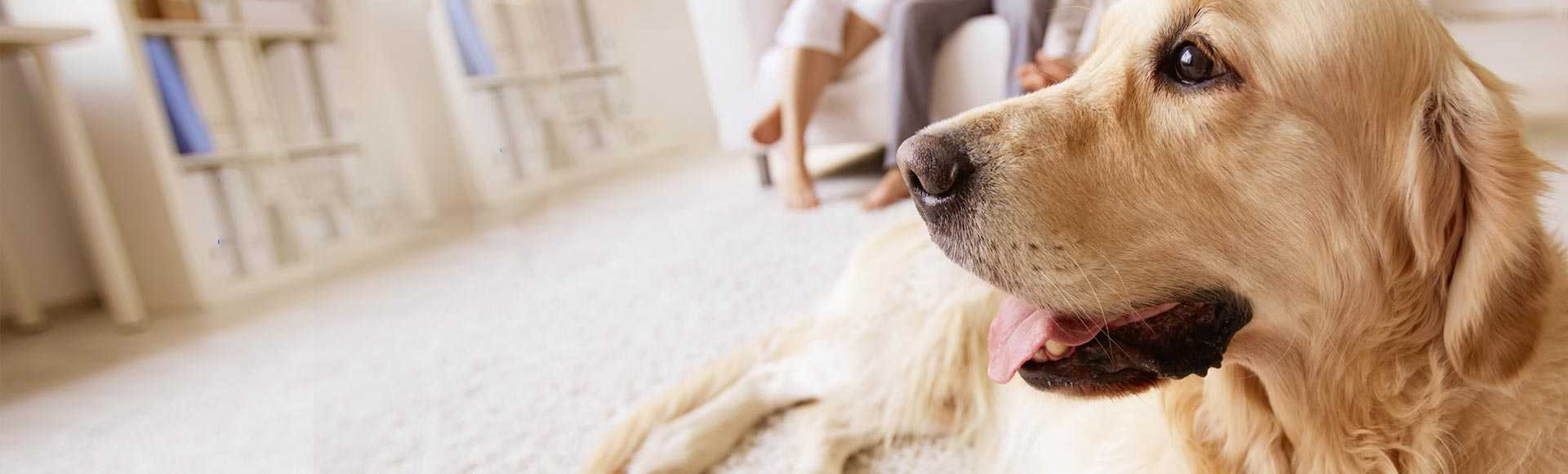
Lacerations,abrasions,puncture wounds,burns,bites,bruises,and surgical incisions are all types of wounds dogs may encounter at some point in their lives.For serious wounds,veterinary professional treatment should always be sought first;minor wounds can be treated at home by pet owners.Proper preparation for care is a key prerequisite for providing effective care for your dog.
I.What is a Dog Bite?
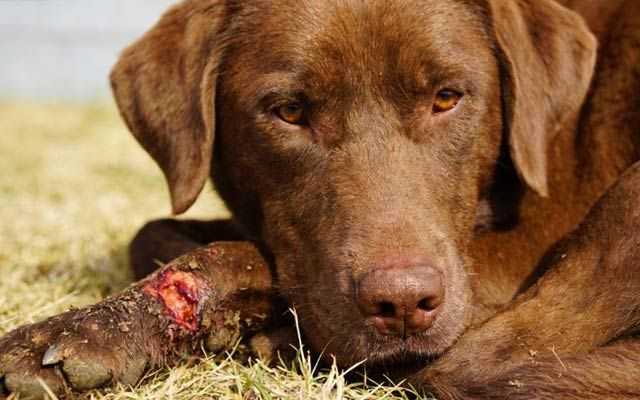
A dog bite refers to any injury to a dog's body tissues.Serious dog bites include open fractures,large lacerations,and other wounds with potential risks that require close monitoring.If a wound is found in the dog's mouth,suspected to be accompanied by internal injury,or the wound exceeds the scope of a minor cut or abrasion,a veterinarian should be contacted immediately for professional treatment.
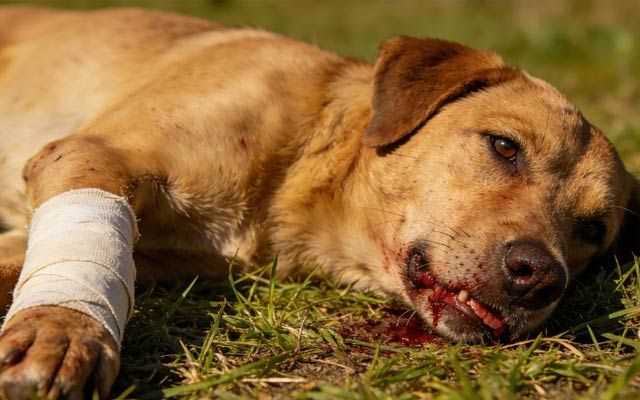
This article will focus on skin abrasions in dogs,detailing home care methods and precautions for simple wounds such as scratches,abrasions,and minor cuts.
II.Essential Supplies for Treating Dog Wounds at Home
It is recommended to prepare a dedicated dog first-aid kit in advance for emergencies.The kit should include the following professional wound care supplies:
1.Pet-safe wound spray:Used to rinse and disinfect wounds,effectively removing dirt and bacteria from the wound surface and reducing the risk of infection.
2.Pet-safe antibacterial wipes:Suitable for cleaning minor skin wounds,inhibiting the growth of bacteria and fungi and helping to prevent infection.
3.Pet-safe wound ointment:Medical-grade honey ointment is recommended,as it has strong antibacterial properties and can accelerate the wound healing process.
4.Anti-inflammatory topical cream:Enzyme cream containing hydrocortisone is suitable for inflammatory wounds such as hot spots,effectively relieving local itching and inflammation.
5.Hemostatic powder:Can be applied to minor cuts or broken nails to stop bleeding,especially suitable for situations where nails are trimmed too short or the subungual blood vessels(sensitive tissue under the nail)are injured.This product contains the local anesthetic benzocaine,which paralyzes the affected area,reducing pain and itching in dogs.
6.Gauze pad:Apply after wound cleaning and disinfection to keep the wound clean,creating a good environment for healing,and absorbing small amounts of exudate.
7.Blunt-tipped bandage scissors:Used to cut bandages to the appropriate size and to safely remove existing bandages,avoiding scratches to the dog's skin during handling.
8.Rubber or latex gloves:Worn during care to ensure hand cleanliness and prevent debris and contaminants from contacting the wound,while also ensuring the owner's safety.
9.Pet-specific electric clippers:Used to trim the hair around the wound,preventing hair from contaminating the wound and facilitating a better fit for the bandage,improving the effectiveness of care.
10.Veterinary bandage:Suitable for the outer layer fixation of limb wounds,enhancing wound stability and preventing secondary damage or contamination.
11.Elizabethan Collar Restoration:Dogs commonly lick wounds and chew bandages.Having a restorative collar prepared in advance can effectively prevent these problems,especially useful when it's impossible to take the dog to the vet immediately for skin issues.
III.Step-by-Step Procedure for Home Wound Care for Dogs
Please strictly follow these steps to treat and clean your dog's wound to ensure safe and effective care:
1.Assess Wound Severity:Home care can be performed for minor cuts and abrasions.If the wound is deep,bleeding heavily,or the situation is complex,seek immediate professional veterinary help.
2.Wear Protective Gloves:Wear disposable gloves to keep your hands clean,prevent contaminants from affecting the wound,and protect yourself from accidental scratches or bites from the dog.
3.Clean Hair Around the Wound:Use nail clippers or scissors to trim the hair around the wound.If hair has seeped into the wound,it must be thoroughly removed during subsequent cleaning to prevent residue and infection.
4.Clean the wound and remove debris:First,rinse the wound with clean water to remove most of the surface dirt and impurities.After rinsing,use a pet-safe wound spray and antibacterial wipes to thoroughly clean and disinfect the wound,ensuring no residue remains.
5.Stop bleeding:For minor cuts or torn nails causing bleeding,apply a suitable amount of styptic powder evenly to help stop the bleeding quickly and relieve pain.
6.Apply wound care products:Apply a small amount of wound ointment evenly to the affected area.Medical-grade honey ointment has significant antibacterial and healing-promoting effects.For inflammatory wounds such as hot spots,enzyme preparations containing hydrocortisone are more targeted.
7.Wound Bandaging and Protection:Wounds on the neck,chest,and abdomen can be covered with adhesive wound dressings.If the dressing is not sticky enough,medical tape can be used for additional fixation.For wounds on the limbs and tail that require bandaging,it is recommended to seek veterinary assistance to avoid overly tight bandaging that could compress blood vessels and cause further injury to the dog.If the wound is located in an area the dog can lick or bite,an Elizabethan collar should be fitted immediately.
8.Follow-up Care and Observation:For the first three days after bandaging,the bandage should be changed daily and the wound cleaned to facilitate timely observation for signs of infection.After three days,the bandage can be changed every 2-3 days.Unbandaged wounds should be cleaned at the same frequency,and their healing should be continuously monitored.If sutures are suspected,or if signs of infection or lack of healing are observed,seek veterinary attention immediately.When removing bandages,always use blunt-tipped bandage scissors;never use ordinary scissors to prevent scratching the dog's skin.
If your dog's leg is bandaged and you are observing it at home as advised by your veterinarian,closely monitor for signs that the bandage may be too tight.These signs include:swelling under the bandage,enlarged spaces between the toes due to swelling,discoloration or purple discoloration of the skin under the bandage,frequent biting/licking of the bandage or hind limb by the dog,and lameness.If any of these signs are observed,contact your veterinarian immediately to adjust the bandage tightness to prevent limb ischemia and necrosis.If the wound has been treated by a veterinarian,strictly follow the veterinarian's instructions for aftercare;do not adjust the procedure yourself.
IV.Emergency Veterinary Treatment Criteria for Dog Wounds
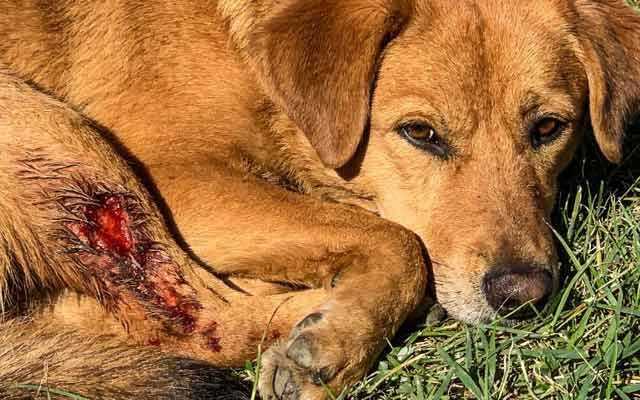
If a dog's wound exhibits any of the following conditions,it must be taken to an emergency veterinarian immediately.Do not delay treatment:
-Severe external injury,such as wounds caused by vehicle collisions or gunshot wounds;
-Uncontrollable bleeding from the wound that cannot be controlled at home;
-Suspected infection of the wound,with symptoms such as redness,swelling,pus formation,and worsening swelling;
-Wound involving the eyes,potentially affecting vision or causing eye damage;
-Deep wounds that expose deep tissues such as muscles and bones;
-Severe burns,such as burns caused by house fires or fireworks;
-Open fractures,i.e.,fractured bones accompanied by skin damage;
-Degloving injuries,i.e.,tears separating the skin from the underlying tissues;
-Wounds penetrating the tissue layer,involving body cavities such as the abdominal cavity and thoracic cavity;
-Wounds causing severe pain and significant discomfort in the dog,manifested as whimpering,growling,and reluctance to move.
If you are unsure whether a wound needs stitches,contact your veterinarian immediately for professional guidance to avoid affecting wound healing due to misjudgment.
For the following types of wounds,it is recommended to consult a veterinarian first and obtain professional advice before deciding whether to provide home care:
-Minor burns,such as burns from contact with stoves or hot surfaces on the paw pads;