Information
- Home
- health

Benadryl is one of the few over-the-counter medications designed specifically for humans,and veterinarians may recommend it for pet owners to administer to their pets at home.
Pet owners may consider giving their dogs Benadryl to alleviate their emotional distress or to relieve mild allergic reactions after insect bites.
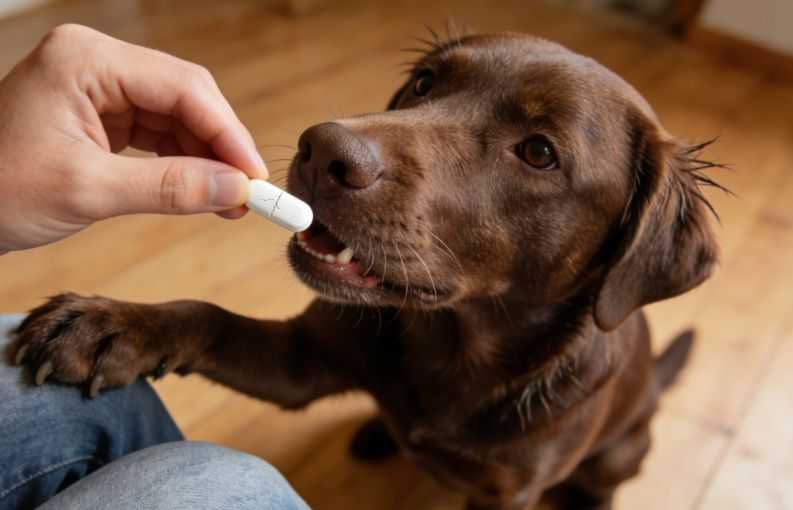
While dogs generally tolerate Benadryl well and it has a high safety profile,it is not a solution for all related issues in dogs.
Benadryl is an antihistamine that works by blocking the response of H-1 receptors to histamine,thus exerting its anti-allergic effect.It also relieves nausea and vomiting by inhibiting the chemoreceptor trigger zone(vomiting center)in the brain and reducing the vestibular system's(ear balance center)response to movement.
In veterinary clinics,Benadryl is one of the most commonly recommended medications for dogs,primarily for the prevention or treatment of mild allergic reactions and to alleviate nausea and vomiting caused by motion sickness or vestibular disorders.
Oral diphenhydramine can help relieve mild allergy symptoms in dogs caused by common allergens such as pollen,mold,and dust mites,especially when used in combination with other antihistamines.
This medication can also be used to treat mild allergic reactions in dogs caused by insect bites.Furthermore,oral or injectable diphenhydramine can be used as a preventative treatment before vaccination to reduce the risk of mild allergic reactions.
It is particularly important to note that if a pet experiences an acute allergic reaction accompanied by facial swelling,difficulty breathing,or other symptoms,it must be taken to a veterinarian immediately,as such severe allergic reactions can be life-threatening.
Usually,dogs taking diphenhydramine should also receive adjuvant therapy such as steroids or adrenaline for better treatment results.
Some pet owners may have heard that diphenhydramine can relieve travel anxiety or fear of stimuli such as fireworks and thunderstorms in dogs,but in reality,the medication's relief effect is not ideal.Diphenhydramine may cause some dogs to exhibit lethargy and unresponsiveness,but it does not fundamentally improve their underlying anxiety.If your dog has anxiety,it's recommended to consult a veterinarian to develop a targeted treatment plan.This plan may include improving the dog's living environment,behavioral training,administering prescription anti-anxiety medication,or using aids such as anti-anxiety vests and aromatherapy diffusers.
Diphenhydramine is effective in preventing motion sickness in dogs;therefore,if a dog's anxiety is caused by motion sickness,this medication may provide some relief.
However,some dogs and cats may experience a rebound reaction after taking diphenhydramine,manifesting as hyperactivity rather than sedation.Pet owners need to closely observe their pets.
Generally,dogs tolerate diphenhydramine well,with a low incidence of side effects,and the risk of overdose is small when used correctly.
However,pet owners should still consult a veterinarian beforehand,as there may be safety risks associated with administering diphenhydramine if the dog has certain medical conditions or is currently taking certain medications.
Dogs should not be given diphenhydramine in the following situations,or should be used with caution under the guidance of a veterinarian:
-Heart disease(cardiovascular disease);
-Certain lung diseases;
-Liver disease;
-Epilepsy;
-Difficulty urinating;
-Glaucoma;
-Pregnancy;
-Taking certain medications,including monoamine oxidase inhibitors and some antifungal drugs.
At normal dosages,the most common side effects of diphenhydramine in dogs are drowsiness and unsteady gait.If a dog is given an overdose,the following symptoms may occur:
-Increased sedation or restlessness;
-Severe unsteady gait;
-Disorientation;
-Increased aggression or other abnormal behaviors;
-Slowed respiratory rate;
-Vomiting,diarrhea;
-Coma;
-Seizures.
If your dog exhibits any of the aforementioned worrying symptoms after taking diphenhydramine,contact your veterinarian immediately for professional advice.
The safest way to determine the correct dosage for your dog with any medication is to consult a veterinarian.
Furthermore,it is crucial to note that many medication formulations may contain potentially dangerous ingredients for dogs,such as Tylenol.Therefore,pet owners must ensure that the diphenhydramine tablets they are using contain only diphenhydramine as the active ingredient.
According to the Merck Veterinary Manual,the standard dosage of diphenhydramine is 2-4 mg per kilogram of body weight,or 0.9-1.8 mg per pound of body weight.
Based on this,a simple and practical dosage reference is:1 mg of diphenhydramine per pound of body weight,2-3 times daily.For example,a 10-pound dog could receive 10 mg in the morning,afternoon,and evening.
Diphenhydramine is available in various forms,including tablets,capsules,liquids,and children's chewable tablets.Different forms may complicate determining the dosage for your dog.If you have any questions,consult your veterinarian promptly.(I)Diphenhydramine Tablets and Capsules
Common diphenhydramine tablets are available in 25 mg or 50 mg strengths,suitable for dogs weighing 25 lbs(approximately 11 kg)and 50 lbs(approximately 23 kg),respectively.
For larger dogs,multiple tablets or capsules can be administered at once to achieve the appropriate dosage.
Pet owners can break a 25 mg tablet in half to fine-tune the dosage.For example,a 60 lb(approximately 27 kg)dog might need one 50 mg tablet and half a 25 mg tablet to meet its dosage requirements.
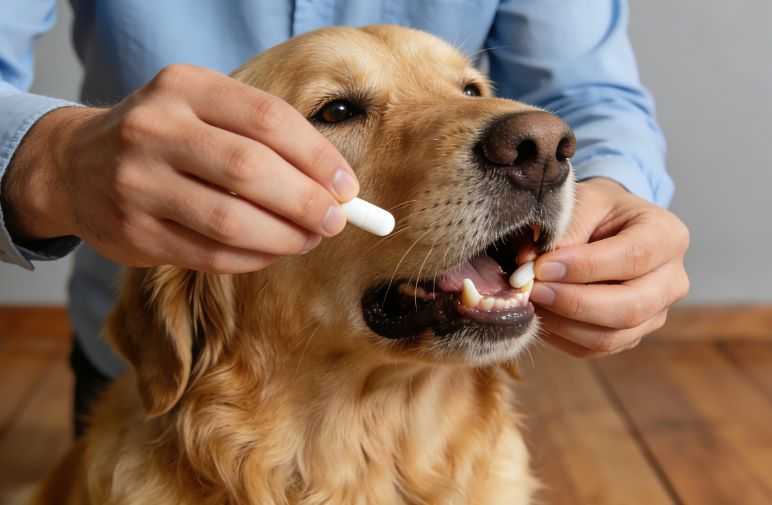
If a dog is unwilling to take diphenhydramine tablets directly,they can be embedded in a tasty dogtreat(such as a Greenies Pill Pocket)to facilitate administration.
(II)Children's Chewable Tablets or Liquid Diphenhydramine(Suitable for Dogs)
Children's chewable tablets and liquid diphenhydramine are more suitable for small dogs.A single whole children's chewable tablet typically contains 12.5 mg of diphenhydramine.For dogs weighing less than 10 pounds(approximately 4.5 kg),the tablet can be broken in half before administration.
Liquid diphenhydramine for children contains 2.5 mg of diphenhydramine per milliliter.This formulation is easier to administer to small dogs that are reluctant to swallow tablets.

Dogs can be given diphenhydramine every 8-12 hours,or 2-3 times daily,depending on veterinary advice.
Diphenhydramine has a long history of clinical use,and with ongoing research,several treatments that may be more effective than diphenhydramine have been developed.
For canine allergies,combining various treatments(such as medicated shampoos,canine nutritional supplements,and prescription medications)is the best approach to controlling allergy symptoms.
For dogs with anxiety disorders,treatment using prescription anti-anxiety medications in conjunction with a behavior modification program is far more effective than using diphenhydramine(Benadryl)alone.
Commonly used anti-anxiety medications for dogs include clomicalamine,reconcile,and sileo.Veterinarians can choose the most suitable medication based on the dog's health condition and level of anxiety.
If pet owners have any questions about giving their dogs diphenhydramine,or about other methods to maintain their dog's health or alleviate discomfort,it is recommended to consult a veterinarian promptly for professional guidance and advice.