Information
- Home
- dogs

There is a wide variety of human foods suitable for dogs,some well-known and others little known.For example,the safety of xylitol-free peanut butter and bananas for dogs is widely recognized,but are bell peppers suitable for dogs?Research indicates that dogs can eat bell peppers,but specific feeding precautions must be followed.The following details the key points regarding feeding bell peppers to dogs,based on professional veterinary advice.
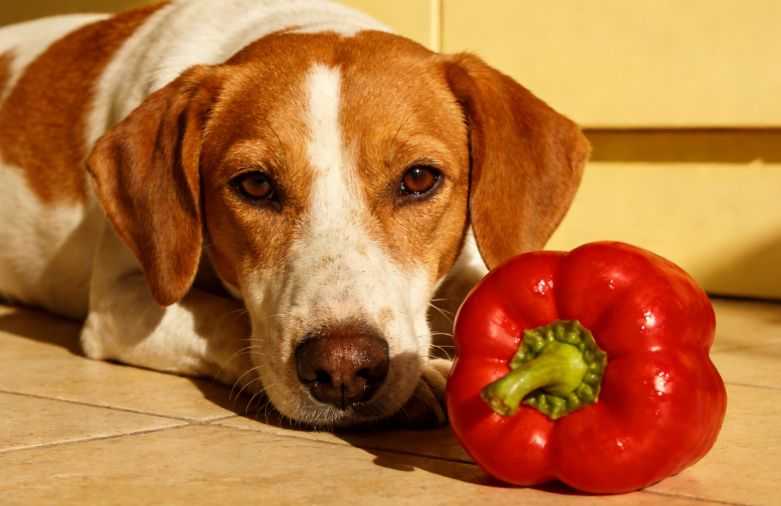
Bell peppers are safe for dogs,and the color of the peel does not affect their safety."All colors of bell peppers are suitable for dogs and pose no toxic risk,"says Dr.Stephanie Sin,a veterinarian at Fuzzy Pet Health in Bend,Oregon.
Similar to their benefits for humans,bell peppers also offer positive nutritional value for dogs.Dr.Sin points out that bell peppers are rich in dietary fiber.As a low-calorie food,they provide dogs with a feeling of fullness and serve as an excellent alternative to high-fat,high-calorie snacks,helping dogs who need to lose weight manage their weight.At the same time,dietary fiber helps maintain regular bowel movements and promotes digestive health in dogs.
In addition,bell peppers contain several nutrients beneficial to dogs:firstly,beta-carotene,which converts into active vitamin A in the dog's body,crucial for maintaining eye health;secondly,vitamin E,which improves skin and coat condition and exerts anti-inflammatory effects;and thirdly,vitamin C,which effectively enhances the dog's immune system and boosts resistance.
From a food safety perspective,bell peppers of all colors are suitable for dogs.However,for optimal nutritional support,red bell peppers are the preferred choice.Dr.Xin explains,"Red bell peppers contain 11 times more beta-carotene,an antioxidant,than green bell peppers,and their potassium,folic acid,and lutein content is also significantly higher than other colored bell peppers."
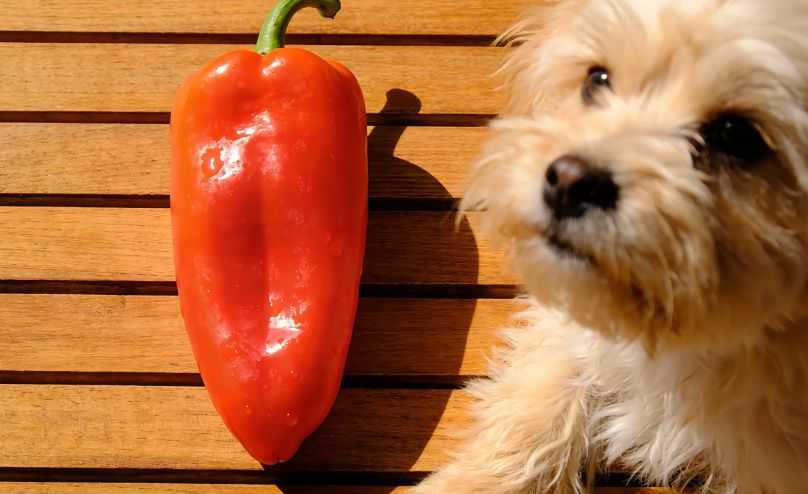
Although bell peppers are low in calories,the amount fed to them should still be strictly controlled.“As with all treats,the calories from bell peppers should be limited to no more than 10%of a dog's total daily treat calories,”Dr.Xin emphasized.“When introducing any new food(including bell peppers)into a dog's diet,start with small amounts to assess the dog's acceptance and tolerance,and avoid causing indigestion.”
If the dog accepts the bell peppers well and shows no adverse reactions,the amount can be gradually adjusted:no more than a quarter of a bell pepper per day for small dogs,and no more than half a bell pepper per day for large dogs,ensuring nutritional supplementation without increasing the metabolic burden on the body.
Before feeding bell peppers,the stems and leaves must be thoroughly removed.Bell peppers can be fed raw,but cooking them makes them easier for dogs to digest.“Some dogs may have difficulty chewing the bell pepper skin,affecting digestion and absorption,”Dr.Xin explained.Steaming or boiling is the recommended cooking method.It's important to avoid adding oil or any seasonings,and especially avoid ingredients that are toxic to dogs,such as onions and garlic.
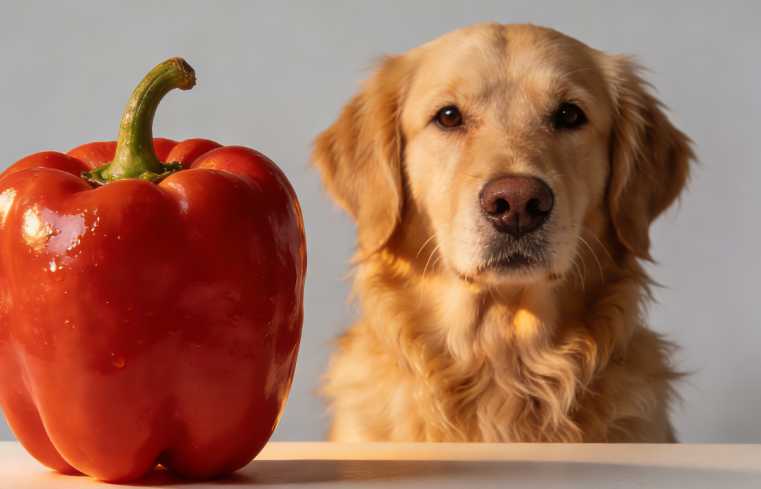
Always cut bell peppers into small pieces before feeding:large pieces pose a choking risk to small dogs;for large dogs,who tend to gulp down their food without chewing,small pieces also reduce the risk of choking.For added safety,you can mash the bell peppers into a paste and mix it into your dog's regular food.
It is important to note that while bell peppers are safe for dogs,spicy foods such as chili peppers and jalapenos must be strictly avoided.These spicy foods contain capsaicin,which can irritate a dog's digestive tract lining,causing diarrhea,vomiting,and other discomfort.